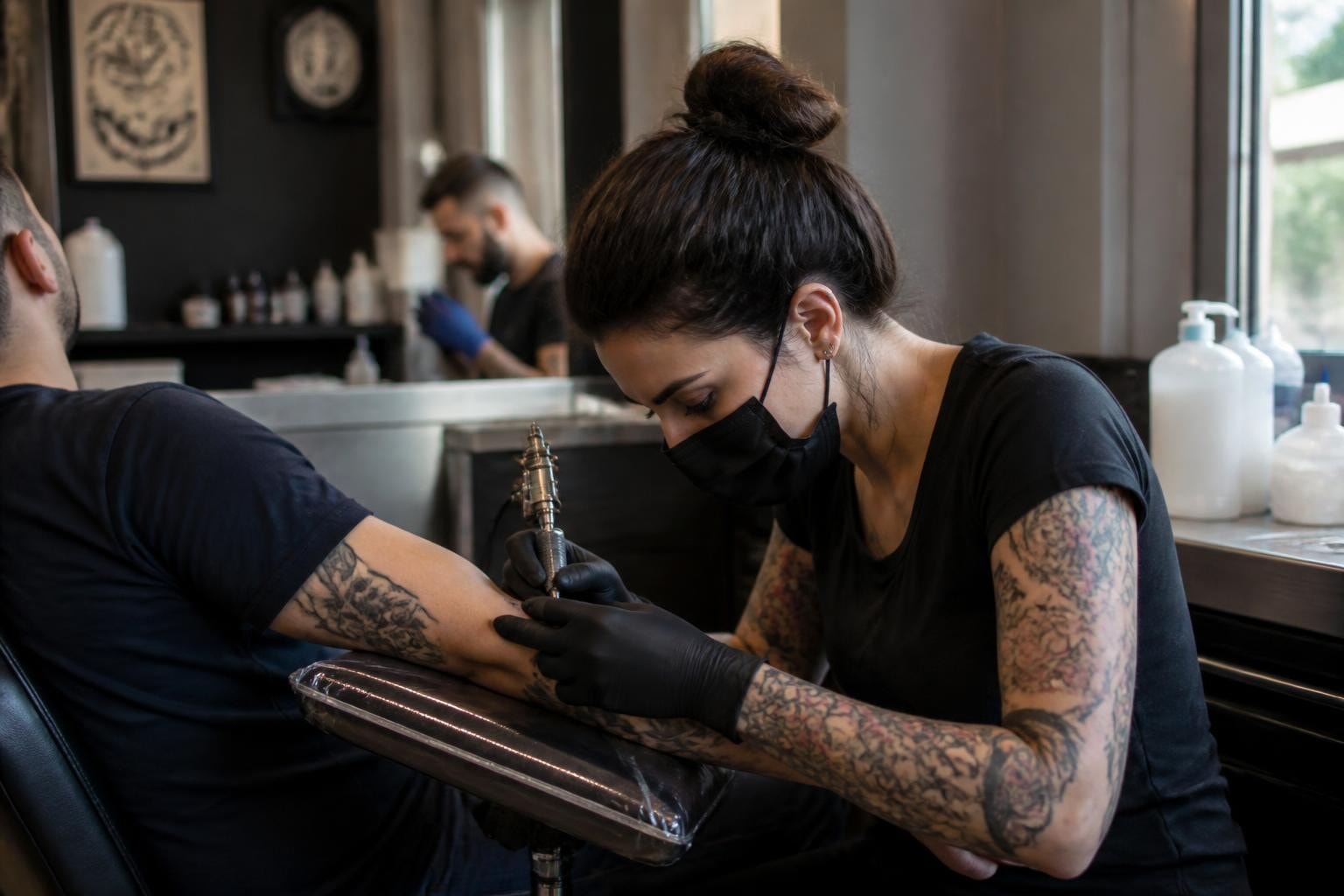
Operating a tattoo studio in 2026 means navigating a complex landscape of health regulations, liability concerns, and client safety protocols. One non-negotiable requirement stands above the rest: bloodborne pathogens certification for tattoo artists. This certification isn't just a bureaucratic checkbox. It's your frontline defense against occupational hazards, legal liability, and potential business closure. Whether you're opening your first shop, hiring apprentices, or expanding to multiple locations, understanding the certification process and maintaining compliance protects both your staff and your livelihood.
Understanding Bloodborne Pathogens in Tattoo Environments
Bloodborne pathogens are infectious microorganisms present in human blood that can cause serious disease. For tattoo artists, the primary concerns are Hepatitis B (HBV), Hepatitis C (HCV), and Human Immunodeficiency Virus (HIV). Every needle penetration creates a direct pathway for transmission.
Your exposure risk begins the moment you set up your station. Cross-contamination occurs through needles, tubes, grips, ink caps, and any surface that contacts blood or bodily fluids. Even microscopic amounts of contaminated blood can transmit infection if they contact broken skin, mucous membranes, or puncture wounds.
Common exposure scenarios in tattoo shops include:
- Accidental needle sticks during setup or breakdown
- Blood splatter reaching eyes or mouth during high-speed machine work
- Contaminated sharps injuries during disposal procedures
- Contact with client blood through cuts on artist's hands
- Improper handling of soiled gloves or paper products
The Occupational Safety and Health Administration (OSHA) Bloodborne Pathogens Standard applies to all occupational exposure to blood or other potentially infectious materials. Tattoo artists fall squarely within this mandate because exposure is reasonably anticipated during normal work activities.
Certification Requirements Across Jurisdictions
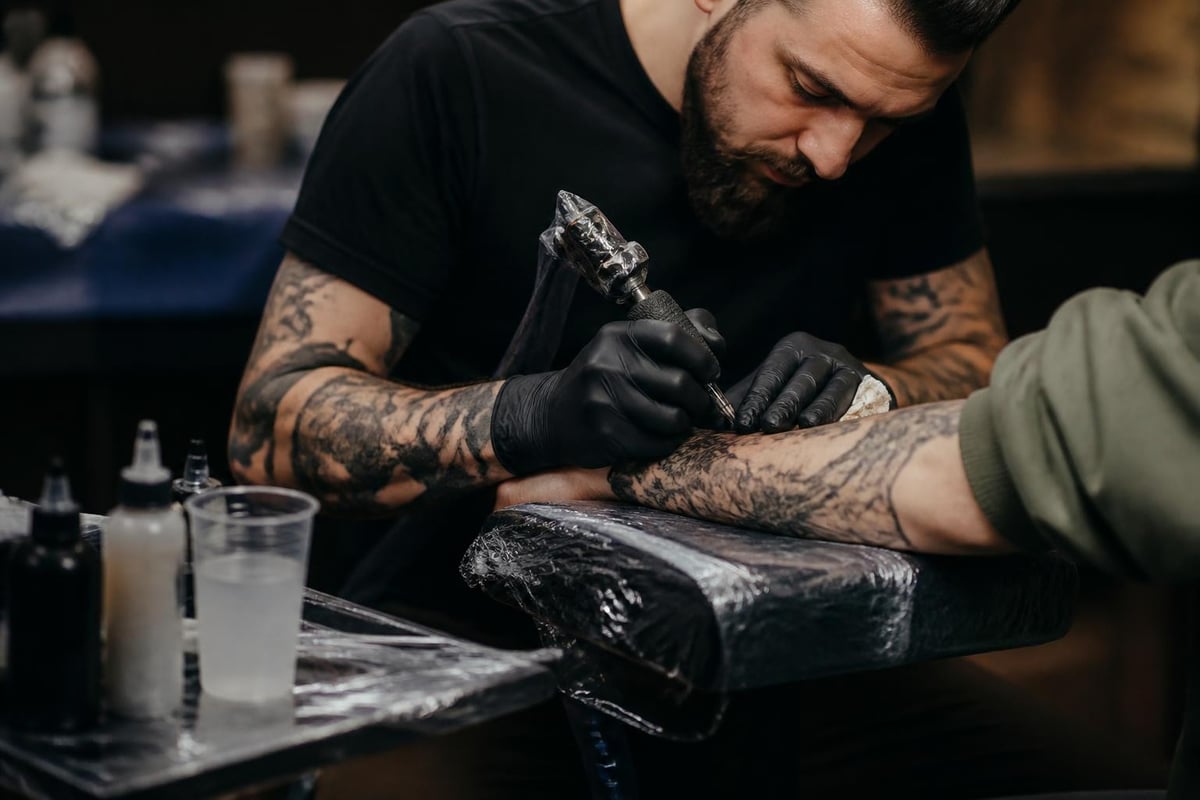
Bloodborne pathogens certification for tattoo artists varies significantly by location, but the underlying OSHA framework remains consistent nationwide. Most states and municipalities require initial certification before you can legally operate, with renewal periods ranging from one to three years.
United States Requirements
In the US, state health departments typically mandate certification through approved training providers. States like California, Texas, Florida, and New York have specific body art regulations that reference OSHA standards. Some jurisdictions require four-hour courses, while others accept shorter online programs.
Your local health department determines:
- Minimum training hours required
- Approved certification providers
- Renewal frequency (annual, biennial, or triennial)
- Documentation format for inspections
- Additional state-specific safety requirements
Check your county and city regulations separately. Many municipalities layer additional requirements on top of state mandates. New York City, for example, has stricter protocols than New York State minimums.
Certification for Shop Owners vs. Artists
If you own a multi-artist studio, every person who performs tattoos must hold current certification. This includes:
- Full-time employed artists
- Independent contractors who rent stations
- Guest artists working temporary spots
- Apprentices (even if they're only practicing on synthetic skin)
Your responsibility as shop owner extends beyond individual compliance. You must maintain an exposure control plan, provide hepatitis B vaccinations, implement universal precautions, and document all training. Health department inspectors will review personnel files during routine inspections.
| Jurisdiction Type | Typical Requirements | Renewal Period |
|---|---|---|
| State Level | Approved course completion | 1-3 years |
| County/City | Additional local certification | Varies |
| OSHA Federal | Exposure control plan documentation | Annual review |
| Insurance | Proof of current certification | Per policy |
Selecting an Approved Training Provider
Not all bloodborne pathogens courses meet regulatory requirements for tattoo professionals. Generic healthcare training often omits body art-specific scenarios. You need certification that addresses sharps disposal protocols, autoclave operation, single-use equipment handling, and cross-contamination prevention specific to tattooing.
Reputable Online Certification Options
Several providers offer specialized training tailored to body art professionals. The Body Art Training Group focuses exclusively on tattoo, piercing, and permanent makeup industries, building practical safety procedures that inspectors expect to see during audits. Their courses emphasize building client trust through visible safety practices.
A+ BBP Certification provides OSHA-compliant training designed specifically for body art professionals. The self-paced format allows you to complete certification between client appointments, and you receive instant certification upon passing the final assessment.
For artists operating across multiple states, ICE Training Institute offers courses developed in collaboration with health departments, streamlining compliance in jurisdictions with varying requirements.
Verify your provider meets these criteria:
- OSHA compliance and approval in your jurisdiction
- Body art industry-specific content
- Certificate format accepted by your health department
- Reasonable renewal tracking and reminder systems
- Customer support for verification requests from inspectors
In-Person vs. Online Training
Online courses offer convenience and cost savings, typically ranging from $20 to $75. You complete modules at your own pace, review difficult concepts multiple times, and receive immediate certification. Most health departments now accept online training from approved providers.
In-person training provides hands-on demonstrations of barrier techniques, spill cleanup procedures, and proper sharps disposal. Some artists prefer instructor-led courses for apprentices who benefit from direct mentorship during early safety training.
Course Content and What You'll Learn
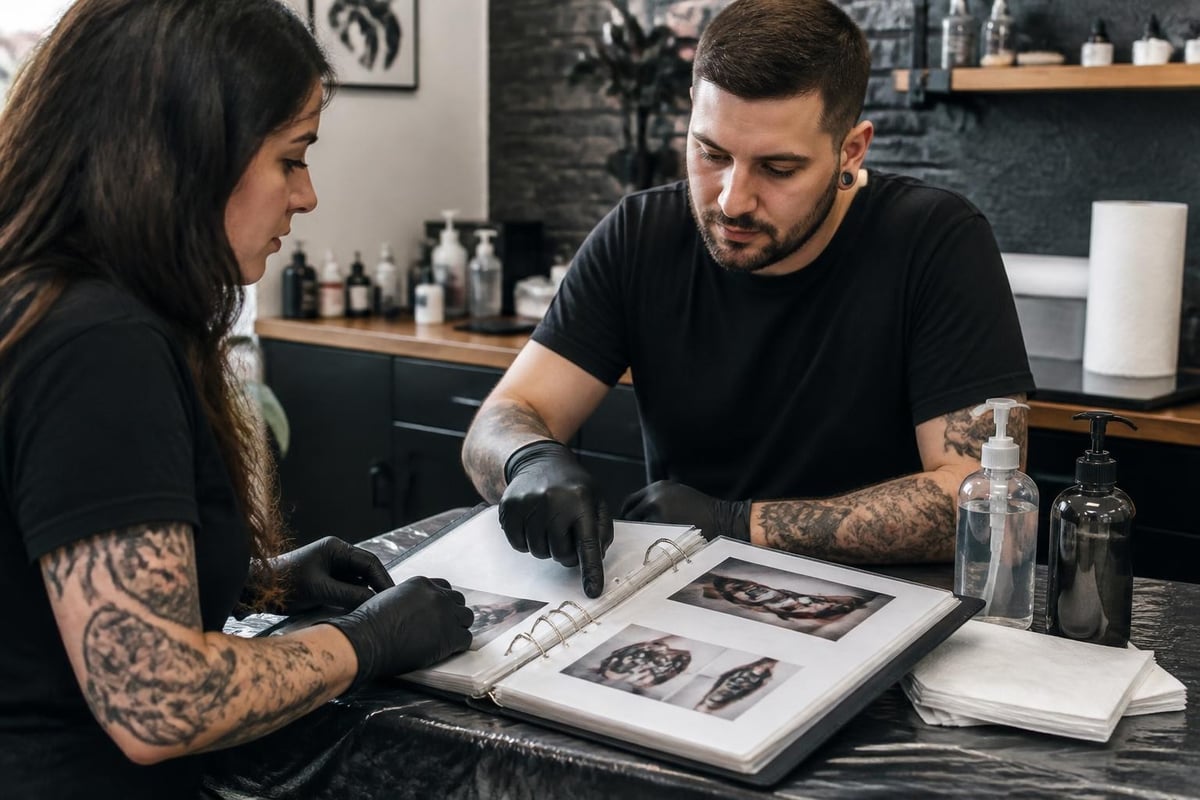
A comprehensive bloodborne pathogens certification for tattoo artists covers both regulatory compliance and practical risk reduction. Expect 2-4 hours of instruction divided into distinct modules addressing exposure scenarios specific to body art.
Core Curriculum Components
Pathogen identification and transmission routes teach you how HBV, HCV, and HIV spread through occupational exposure. You'll learn survival times for pathogens on environmental surfaces, which informs your cleaning protocols between clients.
Exposure control plans form the backbone of your shop's safety system. The course walks through developing written protocols that document your prevention strategies, emergency response procedures, and staff training schedules. Inspectors will request this documentation during audits.
Universal precautions and barrier protection address proper glove selection, when to double-glove, face shield usage during removal procedures, and protective eyewear requirements. You'll understand why treating all clients as potentially infectious eliminates guesswork and ensures consistent safety.
Sharps safety and disposal covers proper needle handling from package opening through final disposal. You'll learn one-handed recapping techniques (never recap with two hands), when to use sharps containers, container placement strategies that minimize reach distance, and disposal company selection.
- Set up your station with sharps container within arm's reach
- Never leave uncapped needles unattended during sessions
- Dispose of needles immediately after client completion
- Replace sharps containers at two-thirds capacity
- Contract with licensed medical waste disposal services
Sterilization and disinfection protocols distinguish between single-use disposable items and reusable equipment. Autoclave operation, biological indicator testing, and documentation of sterilization cycles all factor into compliance. Most courses reference CDC guidelines on bloodborne pathogens as authoritative sources for prevention strategies.
Implementing Certification Knowledge in Daily Operations
Certification means nothing if knowledge stays theoretical. Translating training into standard operating procedures separates compliant shops from those facing violations, fines, or closure.
Creating Your Exposure Control Plan
Your written exposure control plan must identify all job classifications with occupational exposure, document prevention methods, and outline post-exposure protocols. Update this document annually and whenever job tasks change.
Include these sections:
- Exposure determination (which staff members face blood contact risk)
- Methods of compliance (universal precautions, engineering controls, work practice controls)
- Hepatitis B vaccination policy and declination forms
- Post-exposure evaluation and follow-up procedures
- Communication of hazards to employees
- Recordkeeping requirements
Store your exposure control plan in a location accessible to all staff. Many shops keep a binder at the front desk where health inspectors can immediately review documentation. Modern studios increasingly use digital systems for compliance documentation, similar to how digital consent forms streamline client intake by allowing clients to complete paperwork on their phones before appointments, creating cloud-stored records that never get lost or damaged.
Training Your Apprentices and Staff
Every new hire or apprentice requires bloodborne pathogens training before any exposure occurs. Document completion dates, provide copies of certificates for personnel files, and schedule refresher training according to your jurisdiction's renewal requirements.
Create a training checklist that covers:
- Initial certification completion and documentation
- Shop-specific protocols that exceed certification minimums
- Demonstration of proper glove donning and removal
- Hands-on autoclave operation and indicator testing
- Emergency spill cleanup procedures
- Post-exposure reporting process
Walk-through demonstrations reinforce concepts better than verbal instruction alone. Have apprentices practice setting up sterile fields, show you proper sharps disposal technique, and explain cross-contamination pathways in your specific station layout.
Post-Exposure Protocols and Emergency Response
Despite rigorous prevention, needlestick injuries and blood exposure incidents still occur. Your certification training includes emergency response, but you must customize protocols for your shop's specific circumstances.
Immediate Response Steps
When a needlestick or blood splash occurs, immediate action reduces transmission risk:
- Stop work and move away from the client
- Wash the affected area with soap and water (do not use bleach or caustic agents)
- For mucous membrane exposure, flush eyes or mouth with water for 15 minutes
- Report the incident to shop management immediately
- Seek medical evaluation within 2 hours
Document every exposure incident regardless of severity. Your exposure control plan should include incident report forms that capture date, time, circumstances, wound description, and source individual information (if known).
Medical Follow-Up Requirements
OSHA requires employers to provide post-exposure medical evaluation and follow-up at no cost to the exposed employee. This includes baseline blood testing, source individual testing (with consent), prophylactic treatment if indicated, and follow-up testing at intervals determined by healthcare providers.
Partner with an occupational health clinic before incidents occur. Establish a relationship, provide your exposure control plan, and ensure they understand body art occupational hazards. Some clinics offer discounted rates for tattoo shops that pre-register their staff.
| Time Post-Exposure | Required Action | Responsible Party |
|---|---|---|
| Immediate | Wound care and reporting | Exposed employee |
| Within 2 hours | Medical evaluation | Shop owner arranges |
| Within 24 hours | Source testing (if possible) | Shop owner coordinates |
| 6 weeks | Follow-up blood test | Healthcare provider |
| 3-6 months | Additional testing | Healthcare provider |

Maintaining Compliance During Health Inspections
Health department inspections test whether your certification knowledge translates into actual practice. Inspectors review documentation, observe work practices, and verify sterilization procedures. Failure points often involve recordkeeping gaps rather than actual safety deficiencies.
What Inspectors Review
Expect inspectors to request:
- Current bloodborne pathogens certificates for all artists
- Written exposure control plan
- Hepatitis B vaccination records or declination forms
- Sterilization logs with biological indicator results
- Sharps disposal contracts and pickup documentation
- Incident reports from the past year
They'll also observe your physical setup. Handwashing sinks must be accessible without passing through client areas. Sharps containers should be properly mounted and not overfilled. Work surfaces must be non-porous and cleanable. Autoclaves require routine maintenance documentation.
Prepare an inspection-ready binder containing:
- All artist certifications (originals or certified copies)
- Exposure control plan (dated and signed)
- Training documentation for the past three years
- Vaccination records
- Sterilization logs
- Waste disposal contracts
- Recent spore test results
Common Violations and How to Avoid Them
Most citations involve documentation failures rather than egregious safety violations. Missing or expired certifications top the list, followed by incomplete exposure control plans and inadequate sterilization records.
Avoid these frequent issues:
- Expired certifications: Set renewal reminders three months before expiration dates
- Missing vaccination documentation: Obtain hepatitis B vaccination or signed declination forms from all staff
- Incomplete sterilization logs: Document every autoclave cycle with date, time, contents, and biological indicator results
- Improper sharps disposal: Contract with licensed medical waste haulers and maintain pickup receipts
- Inadequate handwashing facilities: Ensure sinks have hot and cold running water, soap, and single-use towels
Regular internal audits help identify compliance gaps before inspectors arrive. Quarterly reviews of personnel files, safety documentation, and physical workspace setup keep you prepared for unannounced inspections.
Certification Costs and Business Considerations
Bloodborne pathogens certification for tattoo artists represents a modest investment compared to liability exposure from non-compliance. Course fees, renewal costs, and time allocation all factor into your operational budget.
Direct Certification Expenses
Online courses from specialized providers typically cost $20-$75 per person. In-person training ranges from $50-$150. Factor in renewal every 1-3 years depending on jurisdiction.
For a three-artist shop with biennial renewal requirements, budget approximately:
- Initial certification: $150-$225 (3 artists × $50-$75)
- Biennial renewals: $75-$112.50 per renewal cycle
- Annual average: $37.50-$56.25
Indirect Compliance Costs
Beyond certification fees, factor in:
Time investment for course completion (2-4 hours per artist). Schedule training during slow periods or close one weekday for staff education.
Hepatitis B vaccination series costs $100-$200 per employee if not covered by insurance. This three-shot series provides lifetime immunity and eliminates your largest occupational disease risk.
Exposure control plan development may require consultation with safety professionals if you're unfamiliar with OSHA documentation requirements. Expect $200-$500 for professional plan templates customized to your shop.
Sterilization equipment and supplies including autoclave biological indicators ($30-$50 per box), sterilization pouches, and maintenance costs.
ROI of Proper Certification
While certification involves costs, non-compliance carries far greater financial risks:
- Health department fines: $500-$5,000 per violation
- License suspension during remediation periods
- Lost revenue from forced closure
- Legal liability if client infections trace to your shop
- Increased insurance premiums after violations
- Reputation damage in your local market
Professional certification also enhances client confidence. Display certificates prominently in your waiting area. Many artists photograph their certification and post it on social media or studio websites, demonstrating commitment to safety before clients even book consultations.
Advanced Safety Practices Beyond Minimum Compliance
Meeting baseline certification requirements keeps you legal, but exceeding minimums builds client trust and reduces liability exposure. Advanced practices distinguish professional studios from shops that merely check regulatory boxes.
Enhanced Barrier Protocols
Consider implementing:
- Double-gloving for all procedures (inner layer provides backup if outer glove tears)
- Face shields during removal procedures where laser equipment creates aerosols
- Disposable station barriers replaced between every client
- Single-use ink caps that never contact bottles
- Individual ink portions drawn before each session
Documentation Systems
Paper forms create compliance headaches. Tattoo consent forms that clients complete on their phones before appointments ensure you never lose critical documentation. The same digital approach works for safety checklists, sterilization logs, and training records.
Build redundancy into recordkeeping:
- Cloud backup of all safety documentation
- Duplicate certificates stored off-site
- Digital photos of station setup and sterilization processes
- Time-stamped logs that prove protocol compliance
Client Communication
Clients increasingly research shop safety before booking. Create transparency around your certification and protocols:
- Post certification details on your website and social media
- Explain sterilization processes during consultations
- Invite clients to observe autoclave operation
- Provide written aftercare that includes infection warning signs
- Maintain relationships with local physicians for referrals if complications arise
When clients see your commitment to safety, they trust your artistry. That trust converts consultations into bookings and creates referral networks that drive long-term growth.
Bloodborne pathogens certification for tattoo artists protects your health, your staff, your clients, and your business viability in an increasingly regulated industry. By choosing appropriate training, implementing comprehensive safety protocols, and maintaining meticulous documentation, you transform compliance from a burden into a competitive advantage. Ready to streamline your compliance documentation and client intake? InkWaiver eliminates paper consent forms with digital solutions that clients complete on their phones, creating legally compliant, cloud-stored records that health inspectors and liability insurers actually want to see. Set up your entire system in two minutes and never lose another critical document.