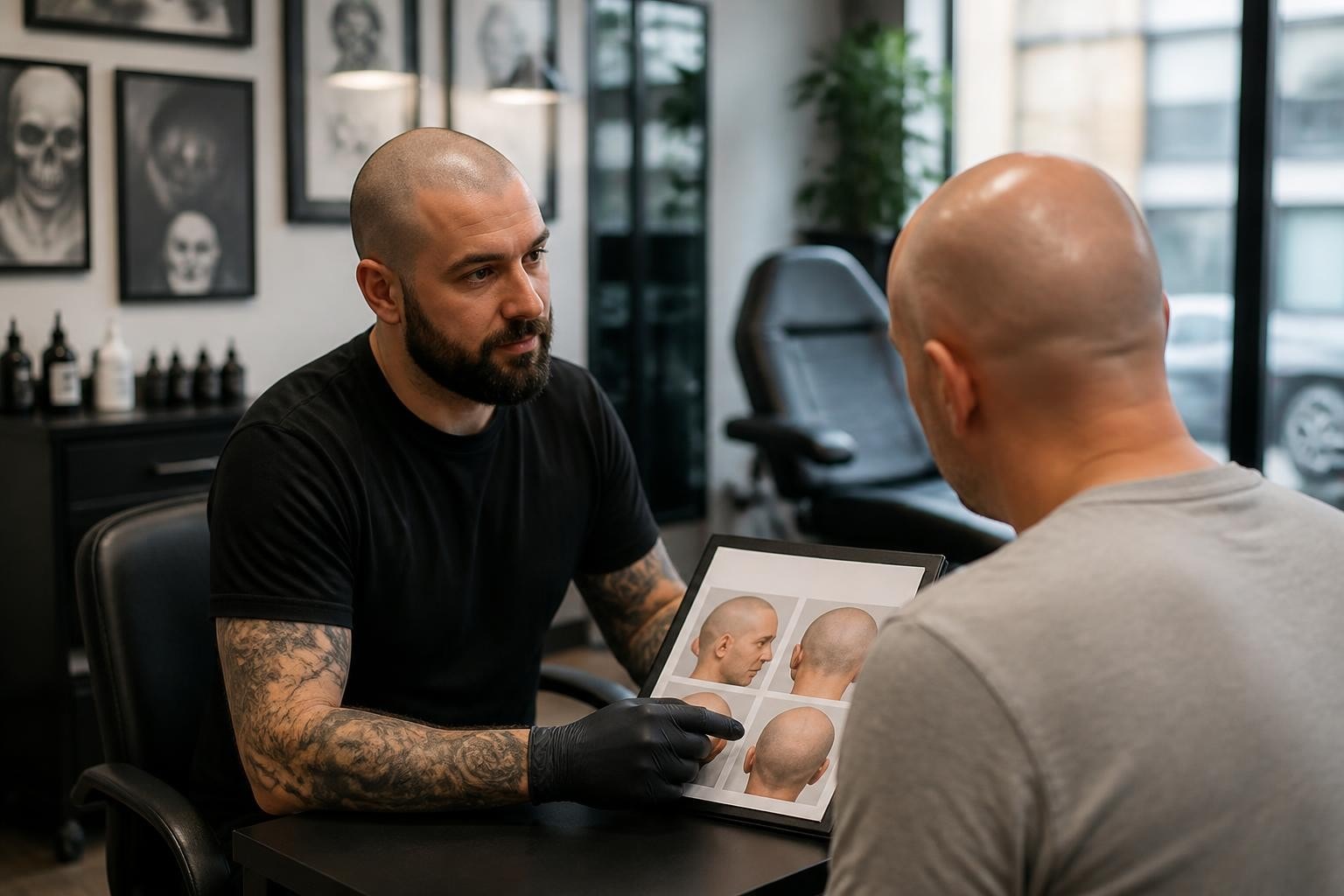
Scalp micropigmentation (SMP) represents a significant revenue opportunity for tattoo shops expanding beyond traditional body art into specialized cosmetic procedures. As more clients seek solutions for hair loss and thinning, understanding the scalp micropigmentation price structure becomes essential for studio owners evaluating service expansion. Unlike conventional tattooing, SMP requires specialized equipment, pigments, and training, which directly impacts your pricing model and profit margins. This guide addresses the operational realities of offering SMP services, from pricing frameworks to client consent protocols.
Current Scalp Micropigmentation Price Ranges in 2026
The scalp micropigmentation cost structure varies significantly based on geographic location, practitioner experience, and treatment scope. In major metropolitan areas like New York, Los Angeles, and Chicago, full-head SMP treatments typically range from $2,500 to $4,500. Mid-sized markets show pricing between $1,800 and $3,200, while smaller markets often see ranges of $1,200 to $2,500.
Per-session pricing models offer flexibility for both studios and clients. Most practitioners charge $400 to $800 per session, with complete treatments requiring three to four sessions spaced two weeks apart. This session-based approach helps manage client cash flow while ensuring steady revenue streams for your studio.
Regional pricing considerations include:
- Coastal markets: Premium pricing reflects higher overhead costs and increased demand
- Midwest regions: Competitive mid-range pricing with strong client retention
- Southern states: Lower entry points with volume-based profit strategies
- Mountain West: Limited competition allows strategic premium positioning
Touch-up sessions typically cost $200 to $400 annually. Building this maintenance revenue into your business model creates predictable income and strengthens client relationships over time.
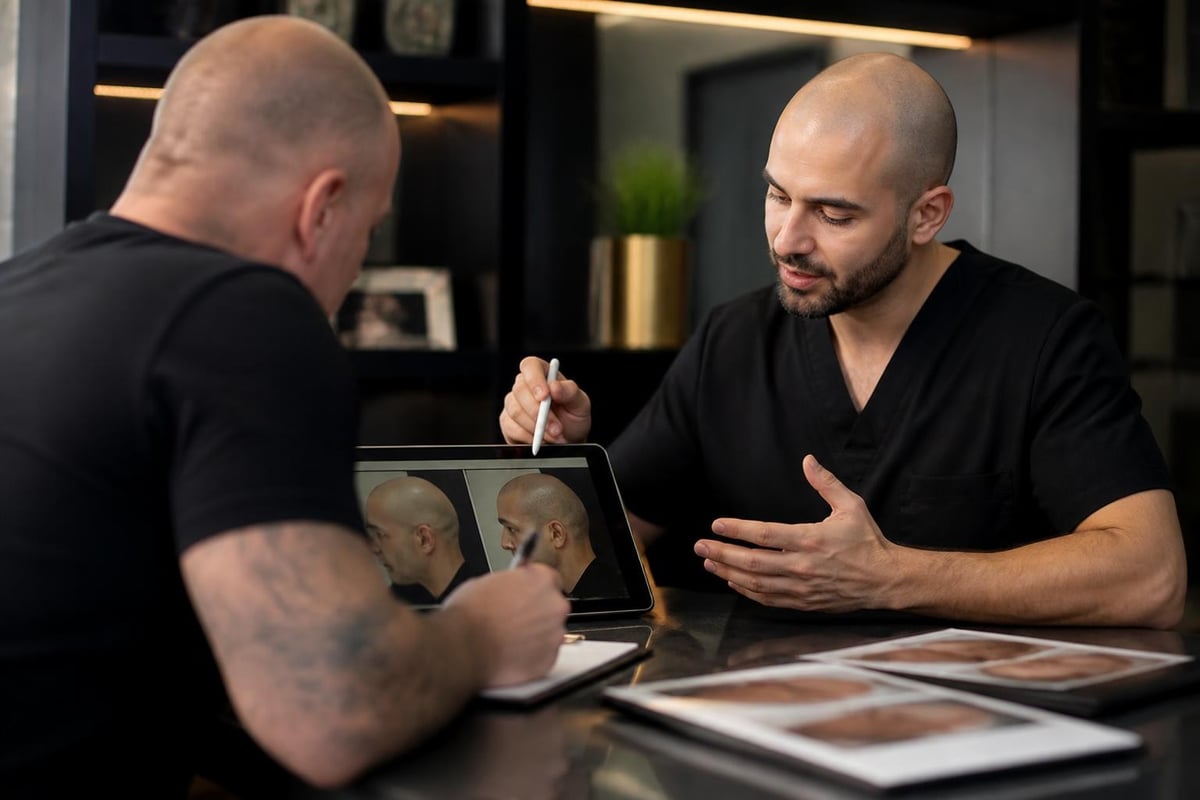
Factors Influencing Your SMP Pricing Structure
Setting your scalp micropigmentation price requires analyzing multiple operational variables. Equipment investment represents the first major consideration. Professional SMP machines range from $800 to $3,500, while specialized pigments cost $150 to $400 per set. These upfront costs must be amortized across projected client volume.
Training and certification significantly impact your pricing authority. Comprehensive SMP training programs range from $3,000 to $8,000, with advanced courses reaching $12,000. Studios employing certified SMP technicians justify higher rates through demonstrated expertise and superior outcomes.
Your studio's physical location drives overhead calculations. Prime retail locations with high foot traffic command premium pricing, while shared studio spaces or appointment-only setups allow competitive positioning. Factor in rent, utilities, insurance increases for SMP services, and dedicated treatment room requirements.
| Pricing Factor | Low End Impact | High End Impact | Your Control Level |
|---|---|---|---|
| Practitioner experience | Base rate | +60% premium | High - training investment |
| Geographic market | Regional average | +40% premium | Low - fixed location |
| Treatment complexity | Standard pricing | +50% premium | Medium - client assessment |
| Studio reputation | Market rate | +35% premium | High - marketing/portfolio |
Treatment area size directly affects pricing. Hairline-only treatments cost 40-50% less than full-head coverage. Crown work falls in the mid-range. Developing clear pricing tiers for these variations prevents scope creep and sets accurate client expectations during consultations.
Equipment and Supply Cost Recovery
Your scalp micropigmentation price must recover ongoing supply costs beyond initial equipment investment. Disposable needles run $8 to $15 per client session. Pigments cost approximately $25 to $40 per full treatment when properly portioned. Antiseptic supplies, barrier films, and aftercare products add another $10 to $15 per client.
Calculate your cost per treatment hour including supplies, then apply your target profit margin. Most successful SMP studios aim for 65-75% gross margins after direct costs but before overhead allocation.
Session Structure and Total Treatment Pricing
Most SMP treatments follow a three-session protocol, though some clients require four sessions for optimal density and coverage. Your pricing strategy should account for the complete treatment timeline rather than isolated session costs.
Standard three-session breakdown:
- Initial session (2-3 hours): Foundation work establishing hairline design and initial density - typically 40-45% of total price
- Second session (2-2.5 hours): Building density and refining coverage - usually 35-40% of total price
- Final session (1.5-2 hours): Detail work and density optimization - remaining 15-20% of total price
Offering package pricing versus per-session rates affects client commitment and your cash flow. Package deals encourage treatment completion and reduce no-show risk, while per-session pricing provides flexibility for budget-conscious clients who may extend treatment timelines.
Some studios implement deposit structures requiring 30-50% down before the first session, with remaining balance split across subsequent appointments. This protects your scheduling investment and ensures serious client commitment.
Transparent Pricing Communication for Client Consultations
Clear pricing disclosure during initial consultations prevents disputes and builds trust. Create detailed pricing sheets showing complete treatment costs, session breakdowns, and touch-up policies. Understanding what influences SMP costs helps you educate clients on value rather than competing solely on price.
During consultations, photograph the treatment area and document the proposed coverage scope. This visual record supports your pricing justification and protects against scope disputes later. Digital documentation also integrates seamlessly with modern consent workflows.
Address financing options proactively. Many clients seeking SMP services value payment plans that spread costs across 6-12 months. Partnering with healthcare financing companies or offering in-house payment arrangements expands your accessible market.
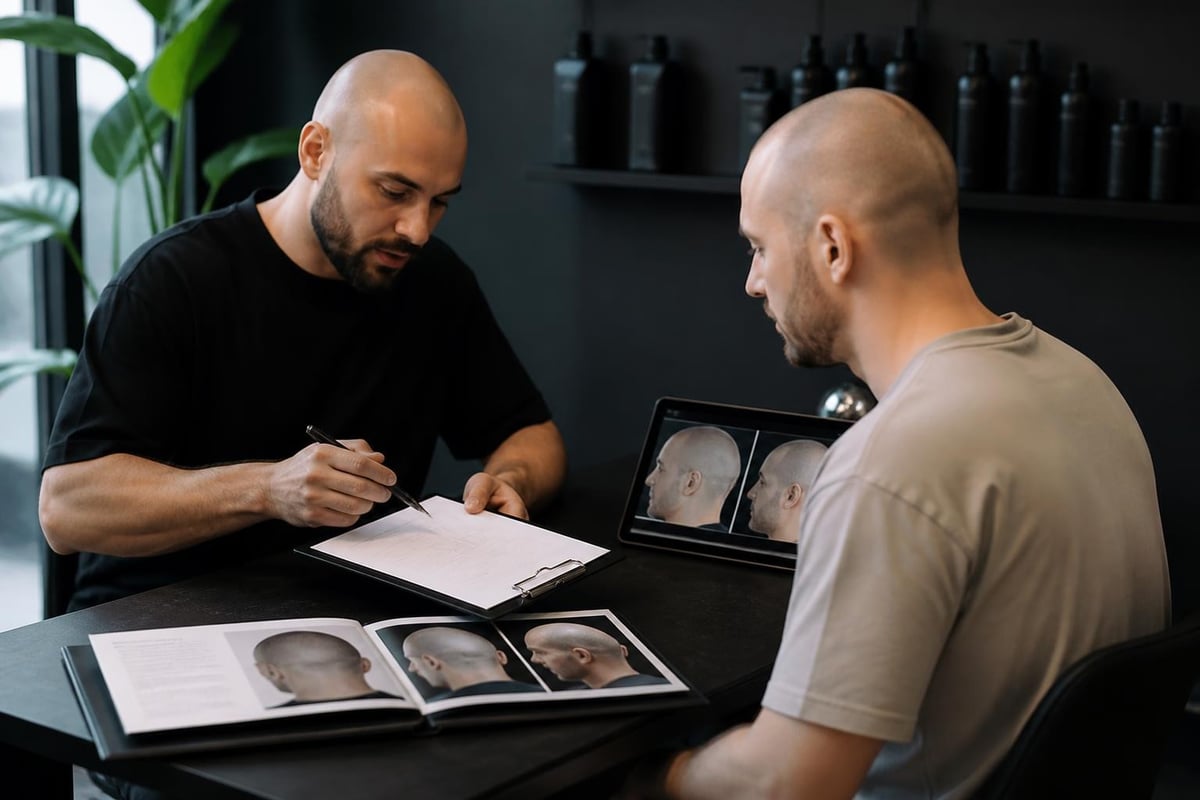
Competitive Positioning Without Undercutting
Resist pressure to compete solely on scalp micropigmentation price. Studios racing to the bottom sacrifice service quality and long-term sustainability. Instead, differentiate through specialized expertise, superior client experience, and proven results portfolios.
Justify premium pricing through tangible value markers. Board certification in cosmetic tattooing, specialized SMP training from recognized institutions, and extensive before-after portfolios demonstrate expertise worth higher investment. Client testimonials focusing on natural results and professional service reinforce premium positioning.
Consider offering tiered service levels. A basic SMP package might include standard consultations and three sessions, while premium packages add detailed scalp analysis, extended session times, and complimentary touch-ups within the first year.
Managing Client Expectations Around Pricing Variables
Scalp micropigmentation price discussions must address individual variation factors that affect final costs. Extensive scarring from previous hair transplants requires additional sessions and specialized techniques, justifying 20-30% price increases. Very light skin tones or significant graying may need custom pigment blending, adding to material costs.
Set clear policies for pricing adjustments discovered during treatment. If initial assessment underestimated coverage area or density requirements, communicate changes before proceeding with additional work. Written estimates with contingency clauses protect both parties.
Common price adjustment scenarios:
- Scar tissue density requiring specialized needles and techniques
- Previously tattooed scalp needing color correction
- Client pain sensitivity requiring extended session breaks
- Skin reactions necessitating alternative pigment formulations
Touch-up frequency varies by client lifestyle, sun exposure, and skin characteristics. While annual touch-ups suffice for most clients, outdoor workers or those with faster cell turnover may need biannual maintenance. Price these maintenance sessions to encourage regular returns while remaining accessible.
Legal Compliance and Documentation Requirements
Operating SMP services within a tattoo studio requires specific licensing and insurance coverage in most jurisdictions. Some states regulate SMP under cosmetology boards rather than tattoo licensing, creating compliance complexity. Verify your current licenses cover scalp micropigmentation specifically to avoid regulatory penalties.
Liability insurance for SMP typically costs 15-25% more than standard tattoo coverage due to cosmetic procedure classification. Factor this increased overhead into your pricing structure. Some insurers require separate SMP riders or specialized cosmetic procedure policies.
Digital consent forms streamline client intake while ensuring legal compliance. When clients complete permanent makeup consent documentation on their phones before appointments, you eliminate paper storage issues and create searchable records for health department inspections. Modern consent platforms designed for cosmetic procedures include specific SMP risk disclosures, aftercare acknowledgments, and photo release permissions that protect your studio from liability disputes.
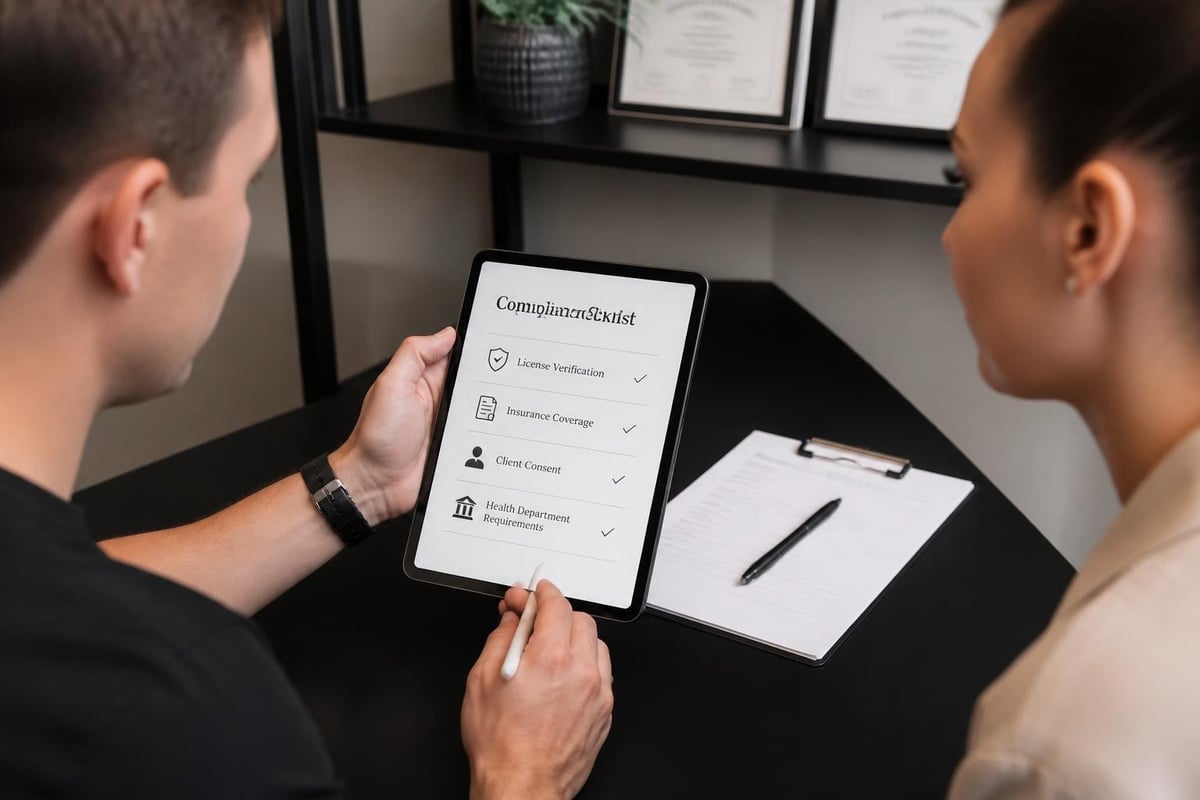
Health Department Inspection Preparedness
SMP services intensify health department scrutiny compared to traditional tattooing. Inspectors focus on cross-contamination protocols between tattooing and SMP procedures, dedicated equipment sterilization, and pigment storage practices. Maintain separate autoclave logs for SMP equipment and document pigment lot numbers with expiration tracking.
| Compliance Area | Documentation Required | Inspection Frequency | Non-Compliance Risk |
|---|---|---|---|
| Practitioner licensing | Current SMP certification | Annual verification | Service suspension |
| Equipment sterilization | Daily autoclave logs | Every inspection | Citations/fines |
| Pigment tracking | Lot numbers, expiration dates | Every inspection | Product seizure |
| Client consent forms | Signed waivers with disclosures | Random audit | Liability exposure |
Store client consent forms for minimum seven years per most state requirements, though ten-year retention provides stronger legal protection. Cloud-based digital consent systems ensure records survive physical disasters while remaining instantly accessible during inspections or legal proceedings.
Marketing Your SMP Services at Your Price Point
Once you establish your scalp micropigmentation price structure, marketing must communicate value to justify rates. Detailed cost breakdowns help potential clients understand the comprehensive nature of SMP treatments versus one-time tattoo sessions.
Before-after portfolios remain your strongest marketing asset. Photograph clients under consistent lighting conditions with standardized angles. Document progression across all sessions, showing immediate post-treatment appearance and healed results at 30, 60, and 90 days.
Educational content positions your studio as an SMP authority. Blog posts explaining the technical differences between SMP and traditional tattooing, videos showing the consultation process, and FAQ resources addressing common concerns build credibility that supports premium pricing.
Effective marketing channels for SMP services:
- Instagram showcasing detailed before-after progressions
- Google My Business with verified client reviews
- Educational YouTube content explaining the SMP process
- Partnerships with dermatology offices and hair restoration clinics
- Targeted Facebook advertising to demographics experiencing hair loss
Client testimonials should emphasize results quality and professional service rather than low pricing. "Worth every dollar" testimonials reinforce value positioning, while price-focused reviews attract bargain shoppers who may not align with your target market.
Building Package Options and Add-On Services
Strategic service packaging increases average transaction value beyond base scalp micropigmentation price. Offer premium packages including complementary services that enhance SMP results and client satisfaction.
A comprehensive SMP package might bundle three core sessions with detailed scalp analysis, custom pigment formulation, professional photography documentation, and one complimentary touch-up within 12 months. Price this package 10-15% below individual service totals to encourage upfront commitment.
Add-on services create additional revenue streams. Scalp conditioning treatments before sessions optimize pigment retention. Aftercare product kits with specialized cleansers, moisturizers, and sun protection sell for $75 to $125 retail. Extended consultation sessions for complex cases command $100 to $200 fees that credit toward treatment if clients proceed.
Referral Programs and Client Retention
Satisfied SMP clients become powerful referral sources within communities affected by hair loss. Structure referral incentives offering $100 to $200 credits toward future touch-ups for each completed referral. This approach costs less than traditional advertising while building loyal client networks.
Annual touch-up reminders via email or text maintain client relationships and generate predictable maintenance revenue. Offer slight discounts for scheduling touch-ups within specific windows, creating urgency while filling appointment gaps during slower periods.
Staff Training and Compensation Considerations
If expanding your studio to include SMP services performed by multiple technicians, compensation structures affect your pricing sustainability. Commission-based models typically pay SMP technicians 40-50% of treatment revenue, higher than standard tattoo commissions due to specialized skill requirements.
Alternatively, hybrid models combine base hourly rates ($25-$40 per hour) with per-treatment bonuses ($150-$300 per completed client). This structure provides income stability for technicians while incentivizing quality results and client satisfaction.
Training investment for existing tattoo artists transitioning to SMP ranges from $5,000 to $12,000 including course fees, practice supplies, and certification costs. Calculate ROI based on projected monthly SMP client volume and your profit margin per treatment. Most studios recover training costs within 15-25 completed treatments.
Insurance and Risk Management Impact on Pricing
Professional liability insurance for SMP services costs $1,200 to $3,500 annually depending on coverage limits and claims history. This represents significant overhead that your scalp micropigmentation price structure must accommodate.
Beyond standard liability coverage, consider additional protection for client dissatisfaction scenarios. Some cosmetic procedure policies include coverage for corrective treatments when clients claim unsatisfactory results, protecting your studio from expensive fixes that erode profitability.
Implement robust informed consent protocols documenting realistic outcome expectations. Address common concerns including pigment fading rates, color changes over time, and the need for periodic maintenance. Thorough consent discussions supported by written documentation reduce dispute likelihood and associated costs.
Risk management extends to equipment maintenance and replacement planning. SMP machines require periodic servicing and eventual replacement. Budget $800 to $1,200 annually for maintenance and replacement reserves to avoid service disruptions that damage client relationships and revenue streams.
Evaluating SMP Service Addition for Your Studio
Before committing to SMP service expansion, analyze whether it aligns with your studio's operational capabilities and market positioning. Calculate comprehensive startup costs including equipment ($2,000-$6,000), training ($5,000-$12,000), insurance increases ($800-$2,000 annually), marketing ($1,500-$4,000), and initial supply inventory ($500-$1,000).
Project realistic monthly client volume based on your market size and competitive landscape. Conservative estimates suggest established tattoo studios can attract 4-8 SMP clients monthly in first-year operations, increasing to 12-20 clients monthly by year three with consistent marketing.
| Financial Metric | Conservative Scenario | Moderate Scenario | Optimistic Scenario |
|---|---|---|---|
| Average treatment price | $2,200 | $3,000 | $4,200 |
| Monthly clients (Year 1) | 5 | 8 | 12 |
| Monthly SMP revenue | $11,000 | $24,000 | $50,400 |
| Gross margin (after direct costs) | 68% | 72% | 75% |
| Break-even timeline | 12-15 months | 8-10 months | 5-6 months |
Consider opportunity costs of dedicating station space and practitioner time to SMP versus traditional tattooing. If your tattoo artists already book solid schedules at strong hourly rates, SMP expansion may require hiring specialized technicians rather than training existing staff.
Seasonal Demand and Pricing Strategies
Scalp micropigmentation demand shows seasonal patterns affecting revenue predictability and pricing opportunities. Many clients prefer treatments during cooler months when sun exposure naturally decreases, protecting healing pigments and reducing aftercare complexity.
Winter months (November through February) typically see 25-35% higher SMP inquiry volume, while summer months show corresponding decreases. Consider seasonal pricing adjustments offering 10-15% discounts during slower periods to maintain steady cash flow and practitioner utilization.
Wedding season creates specific demand spikes as clients seek appearance enhancements before major events. Premium pricing for expedited treatment timelines (condensed sessions over shorter periods) captures willingness to pay for scheduling convenience.
Holiday promotional strategies differ from traditional tattoo marketing. SMP gift certificates sell poorly due to the personal nature of hair loss solutions, but package deals offering reduced pricing for immediate booking during promotional windows generate strong response.
Understanding scalp micropigmentation price structures, operational requirements, and market positioning helps tattoo shop owners make informed decisions about service expansion into this growing cosmetic procedure niche. From equipment investment to insurance compliance and pricing strategies that reflect your expertise and market conditions, success requires treating SMP as a distinct service line with specialized protocols. When you're ready to modernize your consent process for SMP and other cosmetic procedures, InkWaiver provides digital consent forms designed specifically for permanent makeup procedures, allowing clients to complete documentation on their phones while ensuring legal compliance and eliminating paper storage challenges.