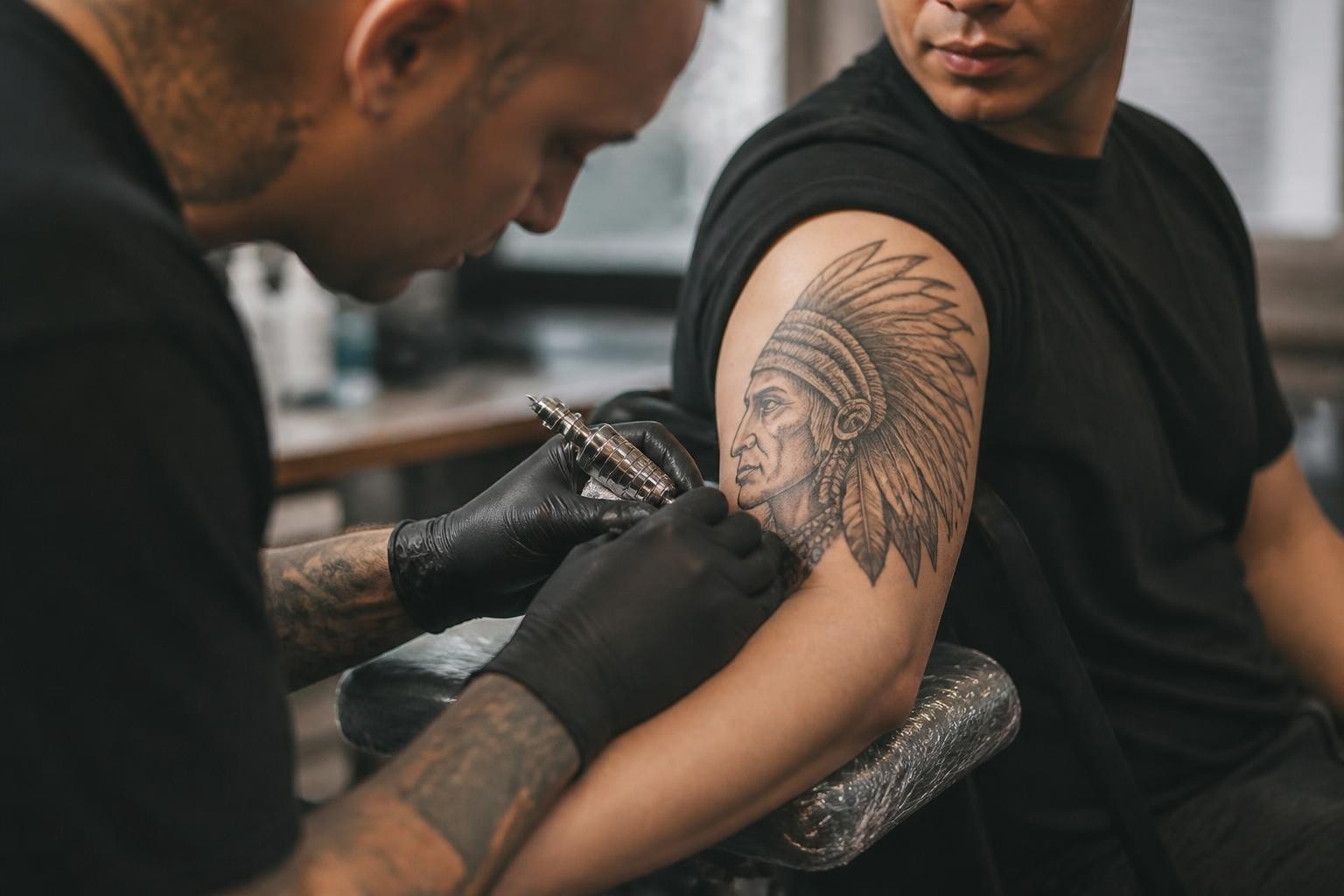
The scalping tattoo represents one of the most culturally loaded and historically complex designs that clients request in contemporary tattoo shops. As a professional tattoo artist, understanding the deep historical context, cultural sensitivity issues, and proper consent documentation for this imagery is essential to protecting your business and respecting the communities whose histories these designs reference. This article examines the historical practice of scalping, how it translates into tattoo imagery, and what you need to know before taking on these projects in your shop.
Understanding the Historical Context of Scalping
The practice of scalping has a complex history that extends far beyond the common misconceptions perpetuated by Hollywood westerns. While often associated exclusively with Indigenous North American tribes, scalping was documented across multiple continents and time periods, including ancient Scythian cultures, European conflicts, and colonial warfare.
Indigenous Practices and Colonial Distortion
Historical evidence shows that some Indigenous tribes practiced scalping before European contact, but the practice was dramatically escalated and weaponized during the colonial period when European powers offered bounties for scalps. This created a horrific incentive system that transformed what may have been limited ceremonial or warfare practices into widespread violence.
The U.S.-Dakota War of 1862 provides specific documentation of how scalping was used by both sides during conflicts, and how the practice became deeply intertwined with colonial expansion and Indigenous resistance. Understanding this history is crucial when a client requests imagery that references these events.
Key Historical Points:
- Scalping predates European colonization but was practiced by various cultures worldwide
- Colonial bounty systems dramatically increased scalping violence
- The practice became a symbol of frontier warfare and Indigenous-settler conflict
- Modern historical scholarship challenges many popular myths about scalping
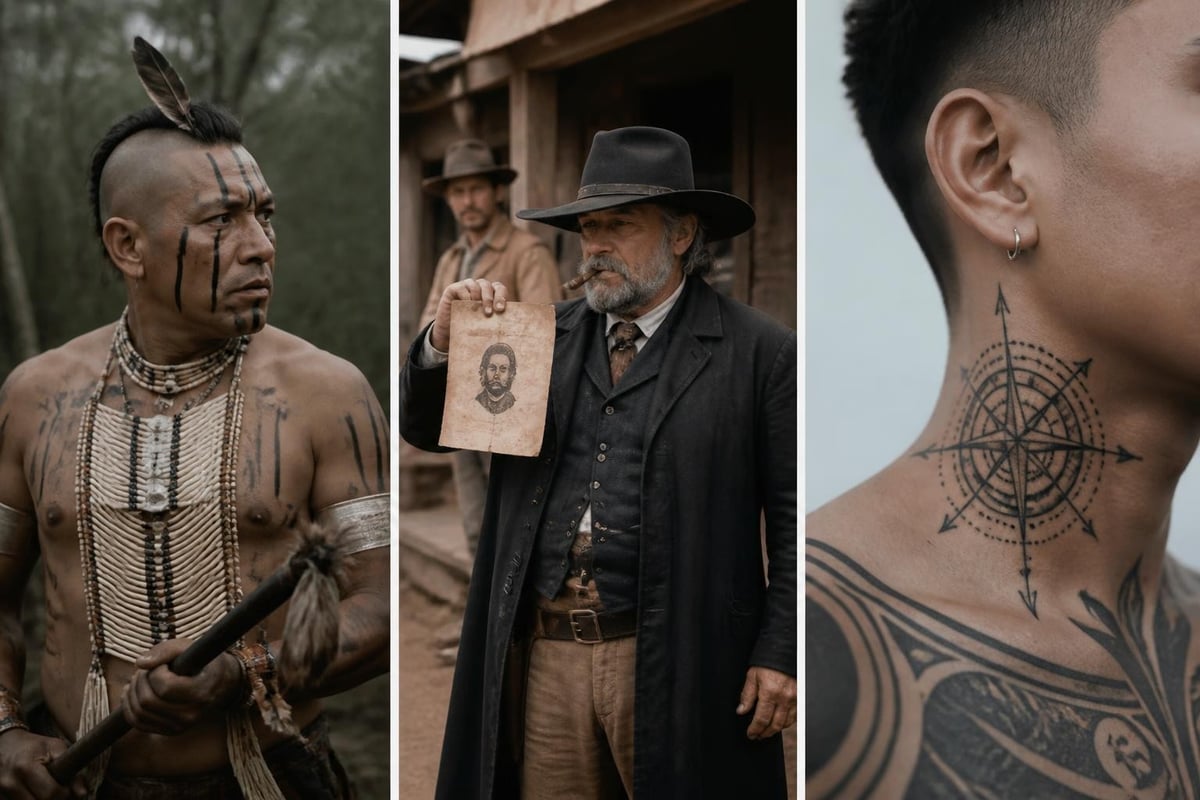
Scalping Tattoo Design Variations and Client Intent
When clients walk into your shop requesting a scalping tattoo, their motivations vary significantly. Some have Indigenous heritage and want to reclaim historical imagery, while others may be drawn to frontier or warrior aesthetics without fully understanding the cultural weight. Your role as a professional artist includes assessing intent and ensuring informed consent.
Common Design Categories
| Design Type | Client Profile | Risk Considerations |
|---|---|---|
| Historical documentation | History enthusiasts, researchers | Cultural sensitivity, accuracy requirements |
| Indigenous heritage pieces | Tribal members, descendants | Verification of heritage, cultural protocols |
| Military/warrior imagery | Veterans, martial artists | Potential for cultural appropriation |
| Frontier/western themes | Americana collectors | Historical context awareness |
Critical Assessment Questions
Before accepting a scalping tattoo project, conduct a thorough consultation that goes beyond standard design discussions. Ask about the client's connection to the imagery, their understanding of the historical context, and their intended message. This conversation serves both ethical and legal protection purposes.
- Determine cultural connection: Does the client have Indigenous heritage or direct connection to the communities historically affected by scalping?
- Assess understanding: Can they articulate why this specific imagery matters to them beyond aesthetic appeal?
- Evaluate placement: Will the tattoo be visible in professional settings, potentially creating workplace issues for the client?
- Discuss long-term implications: Have they considered how this tattoo might be perceived in different contexts over decades?
Cultural Appropriation vs. Cultural Appreciation in Tattoo Art
The line between appreciation and appropriation can be difficult to navigate, particularly with imagery as historically charged as scalping tattoos. As shop owners, you're responsible for making judgment calls that protect both your clients and your business reputation.
Red Flags to Watch For
Certain client behaviors or requests should trigger additional scrutiny before proceeding with a scalping tattoo. These aren't automatic disqualifications, but they warrant deeper conversation and possibly refusal of service.
- Requests for stereotypical "savage" imagery combined with scalping scenes
- Inability to explain personal connection beyond "it looks cool"
- Resistance to discussing cultural sensitivity or historical accuracy
- Combining sacred Indigenous symbols with violent imagery inappropriately
When to Refuse Service
Your shop has every right to refuse service for projects that could expose you to liability or damage your professional reputation. Refusing a scalping tattoo doesn't require lengthy justification; a simple statement that the design doesn't align with your shop's values suffices under most state laws.
Consider alternative imagery that captures the client's intended message without the cultural baggage. Many clients requesting scalping tattoos actually want to express themes of survival, warrior spirit, or frontier heritage that can be communicated through less problematic designs.
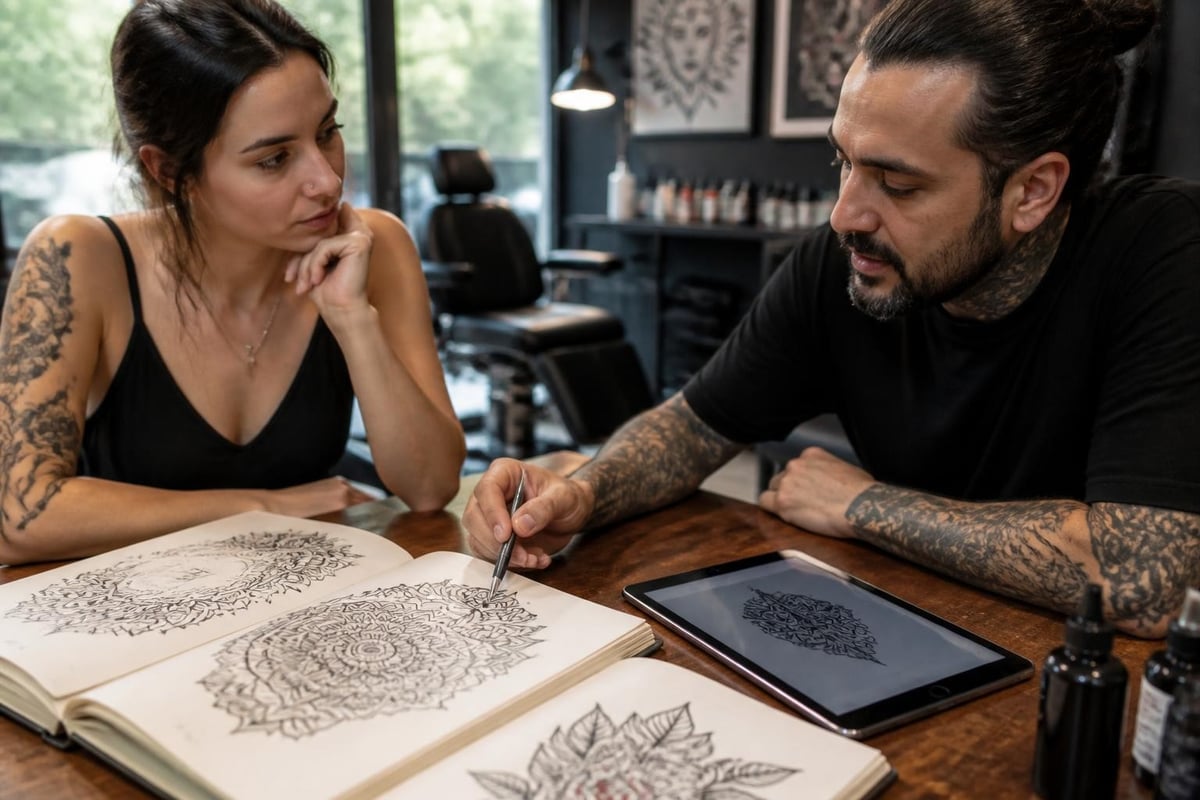
Legal and Consent Documentation Requirements
Every tattoo requires proper consent documentation, but scalping tattoos demand additional layers of protection for your shop. Standard tattoo consent forms should be supplemented with specific acknowledgments about culturally sensitive imagery.
Enhanced Consent Elements for Sensitive Designs
Your consent documentation for scalping tattoo projects should include explicit acknowledgments that go beyond your standard waiver. Clients must confirm they understand the cultural and historical significance of the imagery and accept responsibility for any social or professional consequences.
Required documentation components:
- Written explanation of the design's historical and cultural context
- Client acknowledgment that they've been informed of potential cultural sensitivity issues
- Statement confirming the client's heritage or connection to the imagery (if applicable)
- Agreement that the shop is not responsible for social, professional, or cultural backlash
- Photographic documentation of the design with client approval signatures
Many shops now use digital consent forms that allow you to create custom fields for sensitive projects. This ensures every scalping tattoo has properly documented client acknowledgment while maintaining organized records that are easily retrievable during disputes.
Multi-Jurisdiction Considerations
If your shop operates near state or national borders, or if you regularly work with traveling clients, understand that consent requirements and cultural heritage laws vary significantly by jurisdiction.
| Jurisdiction | Special Considerations |
|---|---|
| United States | First Amendment protections, but potential for discrimination claims if you selectively refuse designs |
| Canada | Stronger Indigenous heritage protections, cultural appropriation may carry legal weight |
| European Union | GDPR compliance for consent documentation, varying cultural sensitivity standards by nation |
| United Kingdom | Public order considerations, potential hate speech implications for certain imagery combinations |
Managing Client Expectations and Artist Limitations
Not every artist in your shop should take on scalping tattoo projects. These designs require specific historical knowledge, cultural sensitivity, and technical skill to execute appropriately. Assigning them to your most experienced artists protects both the quality of work and your shop's reputation.
Artist Selection Criteria
- Historical knowledge: Has the artist studied frontier history and Indigenous cultures beyond basic research?
- Portrait experience: Scalping scenes often include detailed facial work requiring advanced portrait skills
- Cultural sensitivity training: Has the artist completed any formal or informal cultural competency education?
- Communication skills: Can they navigate difficult conversations about appropriation and sensitivity?
Setting Design Boundaries
Establish clear shop policies about what variations of scalping tattoos you will and won't execute. Some shops refuse all scalping imagery, while others permit it only for clients with documented Indigenous heritage. There's no universal standard; your policy should reflect your shop's values and client base.
Common policy approaches:
- Heritage verification required for all requests
- Historical documentation designs only (no artistic interpretation)
- Consultation with Indigenous artists or cultural advisors before proceeding
- Automatic multi-week waiting period for client reflection
- Portfolio review showing artist's cultural sensitivity track record
Health Department and Safety Protocol Documentation
Beyond cultural considerations, scalping tattoo projects involving large-scale work or sensitive placement areas require meticulous health and safety documentation. Health department inspectors scrutinize your protocols regardless of design content, but controversial imagery may attract additional attention.
Station Setup and Cross-Contamination Protocols
Large scalping tattoo pieces often span multiple sessions over months, requiring consistent station setup and sterilization procedures. Document your autoclave cycles, sharps disposal logs, and surface disinfection protocols for every session. Any gap in documentation creates liability exposure if a client develops complications.
Your tattoo waiver forms should include session-specific acknowledgments for multi-part projects, with updated health screening questions at each appointment. Clients' health status can change between sessions, and you need current information to maintain safe practice standards.
Apprentice Involvement Restrictions
Scalping tattoos are not appropriate projects for apprentices except under direct supervision on non-sensitive elements like background shading. The combination of technical difficulty and cultural sensitivity requires journeyman-level skill and judgment. Document any apprentice involvement in client consent forms to maintain transparency.
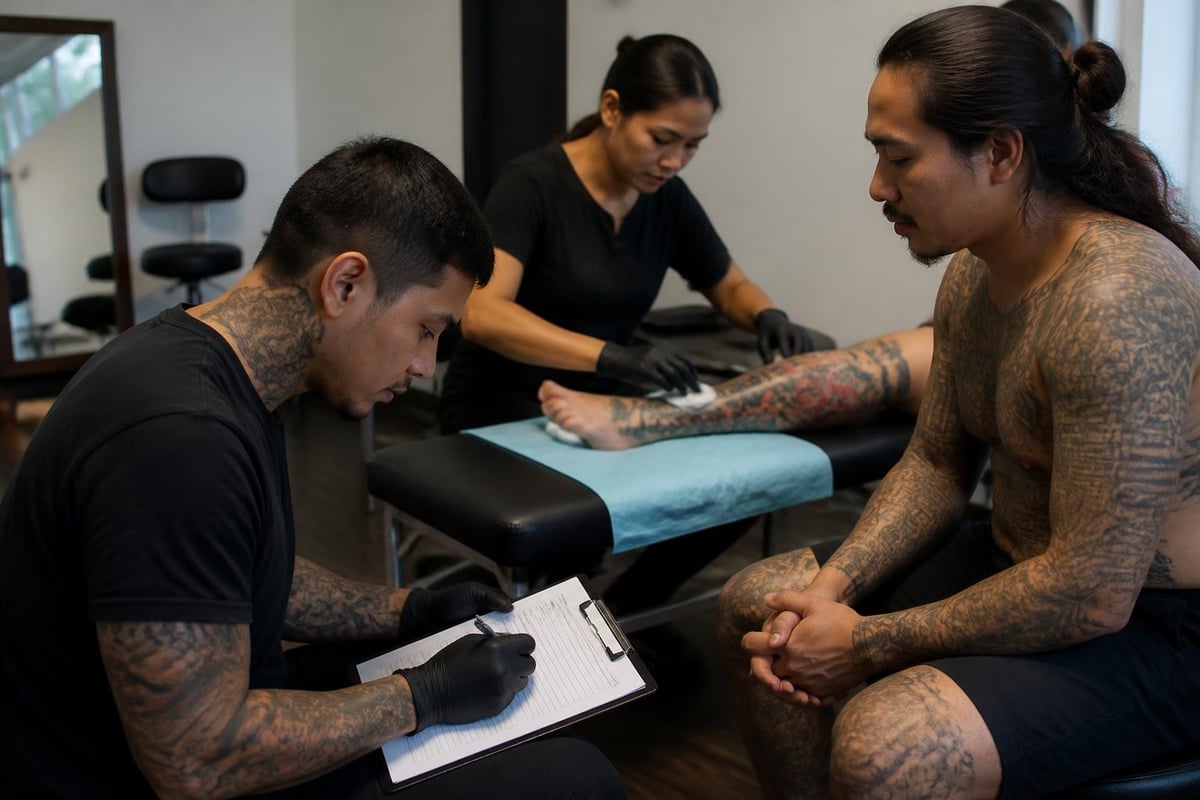
Portfolio and Marketing Considerations for Controversial Work
Deciding whether to photograph and share scalping tattoo work in your portfolio requires careful consideration. While the technical execution may be excellent, posting culturally sensitive imagery can trigger backlash that damages your shop's reputation and alienates potential clients.
Social Media Risk Assessment
Before posting any scalping tattoo to Instagram, Facebook, or TikTok, evaluate the potential for negative response. Social media algorithms amplify controversial content, and a post intended to showcase technical skill can quickly become a public relations crisis.
Risk factors to evaluate:
- Context loss: Will viewers understand the cultural context, or will the image appear to glorify violence?
- Client privacy: Has the client explicitly consented to public sharing, understanding potential backlash?
- Community response: How might local Indigenous communities react to seeing this imagery promoted?
- Platform policies: Does the design violate social media community guidelines about violence or hate imagery?
Alternative Portfolio Documentation
Consider maintaining separate public and private portfolios. Your public portfolio showcases work that builds your desired clientele, while your private portfolio documents technical skill across all projects for serious inquiries and professional development.
Many successful shops never post culturally sensitive work publicly, regardless of technical quality. The potential client gained isn't worth the risk of offending communities or creating controversy that overshadows your other work.
Building Community Relationships and Cultural Competency
The best protection against cultural missteps with scalping tattoos is ongoing relationship-building with Indigenous communities in your area. These connections provide guidance, feedback, and legitimacy that no amount of internet research can replicate.
Meaningful Community Engagement
Reach out to local tribal councils, Indigenous artist collectives, and cultural centers to establish respectful relationships. These shouldn't be transactional consultations only when you have a difficult client request; they should be ongoing partnerships that benefit both parties.
- Attend community cultural events and exhibitions
- Invite Indigenous artists for guest spot collaborations
- Donate portion of profits from heritage tattoos to Indigenous organizations
- Display educational materials about Indigenous history and culture in your shop
- Participate in cultural competency training offered by local organizations
Ongoing Education Requirements
The historical understanding of scalping continues to evolve as scholars uncover new evidence and Indigenous communities assert their own narratives. What was considered acceptable imagery five years ago may be problematic today, requiring continuous education for your entire staff.
Require annual cultural sensitivity training for all artists, particularly those who work on heritage or historically significant designs. This training should cover not just scalping imagery but broader Indigenous symbolism, sacred imagery, and the ongoing impacts of colonization.
Insurance and Liability Protection for Sensitive Projects
Standard tattoo shop liability insurance may not adequately cover claims arising from culturally sensitive work like scalping tattoos. Review your policy with your insurance agent to understand coverage gaps and consider additional protection.
Potential Liability Scenarios
While less common than infection or design error claims, cultural sensitivity disputes can create legal exposure for your shop. A client who faces employment discrimination, social ostracism, or family conflict due to their scalping tattoo might claim you failed to adequately inform them of consequences.
Documentation that strengthens your defense:
- Detailed consultation notes showing you discussed cultural implications
- Signed consent forms with specific sensitivity acknowledgments
- Evidence of waiting periods allowing client reflection
- Communication records showing you offered alternative designs
- Photos proving design accuracy to approved stencil
Professional Liability Coverage Gaps
Most general liability policies cover bodily injury and property damage but may exclude claims based on emotional distress, discrimination, or cultural offense. Discuss with your insurance provider whether you need professional liability coverage that addresses design consultation and cultural sensitivity claims.
Technical Considerations for Historical Accuracy
If you accept a scalping tattoo project, historical accuracy becomes both an artistic and ethical obligation. Stereotypical or fantastical interpretations of scalping can perpetuate harmful myths and disrespect the actual history of violence and survival.
Research Requirements
Before sketching any scalping tattoo design, invest substantial time in primary source research. Study period photographs, written accounts, museum collections, and academic scholarship about the specific time period and cultural context the client wants to reference.
Pay particular attention to clothing, weapons, hairstyles, and ceremonial elements. A historically accurate design demonstrates respect for the subject matter and protects you from criticism about perpetuating stereotypes. Inaccurate "Hollywood Indian" imagery combined with scalping scenes is particularly problematic and should be avoided entirely.
Consultation with Subject Matter Experts
For significant scalping tattoo projects, consider consulting with historians, anthropologists, or Indigenous cultural experts before finalizing the design. Many universities and museums have experts willing to review designs for accuracy, particularly if you explain your commitment to respectful representation.
This consultation serves multiple purposes: it improves design quality, demonstrates due diligence if questioned about the project, and builds relationships with experts who can guide future culturally sensitive work.
Modern Tattoo Removal Considerations
Clients' relationships with their scalping tattoos may change over time as their circumstances and understanding evolve. Maintaining relationships with quality laser tattoo removal providers gives you referral options when clients experience regret about culturally sensitive designs.
Recent advances in laser treatment techniques have improved removal outcomes, particularly for the black and gray work common in scalping tattoo designs. When taking on these projects, inform clients about realistic removal expectations and costs should they later choose to remove or modify the work.
Providing this information during the initial consultation demonstrates professionalism and gives clients important context for their decision. Some clients will reconsider the project entirely when they understand the complexity and expense of removal.
Scalping tattoos require tattoo shop owners to balance artistic freedom, cultural sensitivity, and business protection in ways few other designs demand. By understanding the historical context, implementing enhanced consent protocols, and building genuine community relationships, you can navigate these challenging requests professionally and ethically. InkWaiver helps tattoo shops create customized digital consent forms that address the specific documentation needs of culturally sensitive projects, ensuring you have legally compliant, easily accessible records that protect your business while respecting the gravity of the imagery you create.