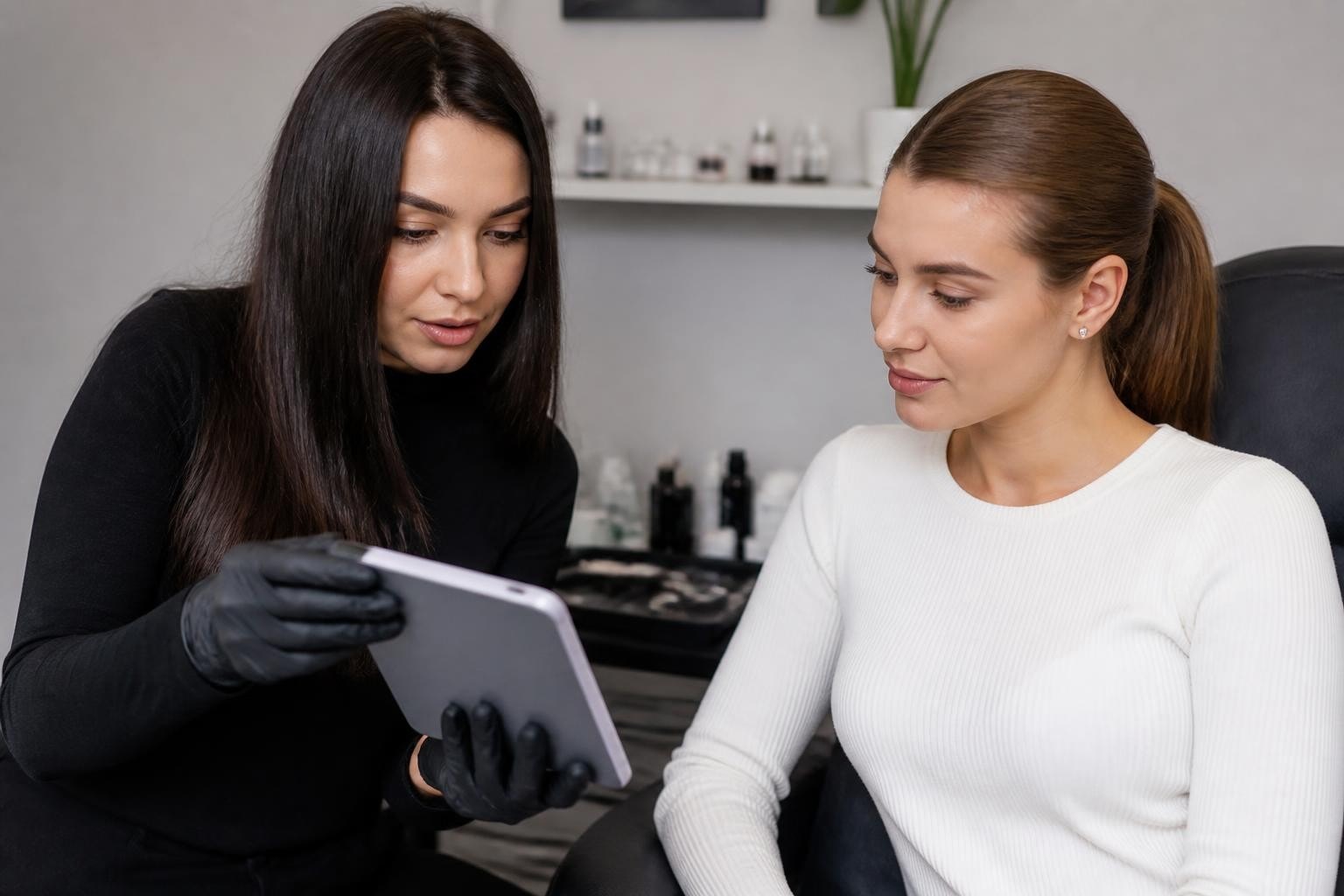
Powder brows have emerged as one of the most requested permanent makeup services in professional studios across North America and Europe. Unlike microblading, which creates hair-like strokes, powder brows create a soft, shaded effect that resembles the look of filled-in brows with makeup. For tattoo and PMU studio owners, offering the best powder brow services requires more than artistic skill-it demands proper equipment, strict hygiene protocols, comprehensive client documentation, and legal compliance that protects both your business and your clients.
Understanding Powder Brow Technique and Market Demand
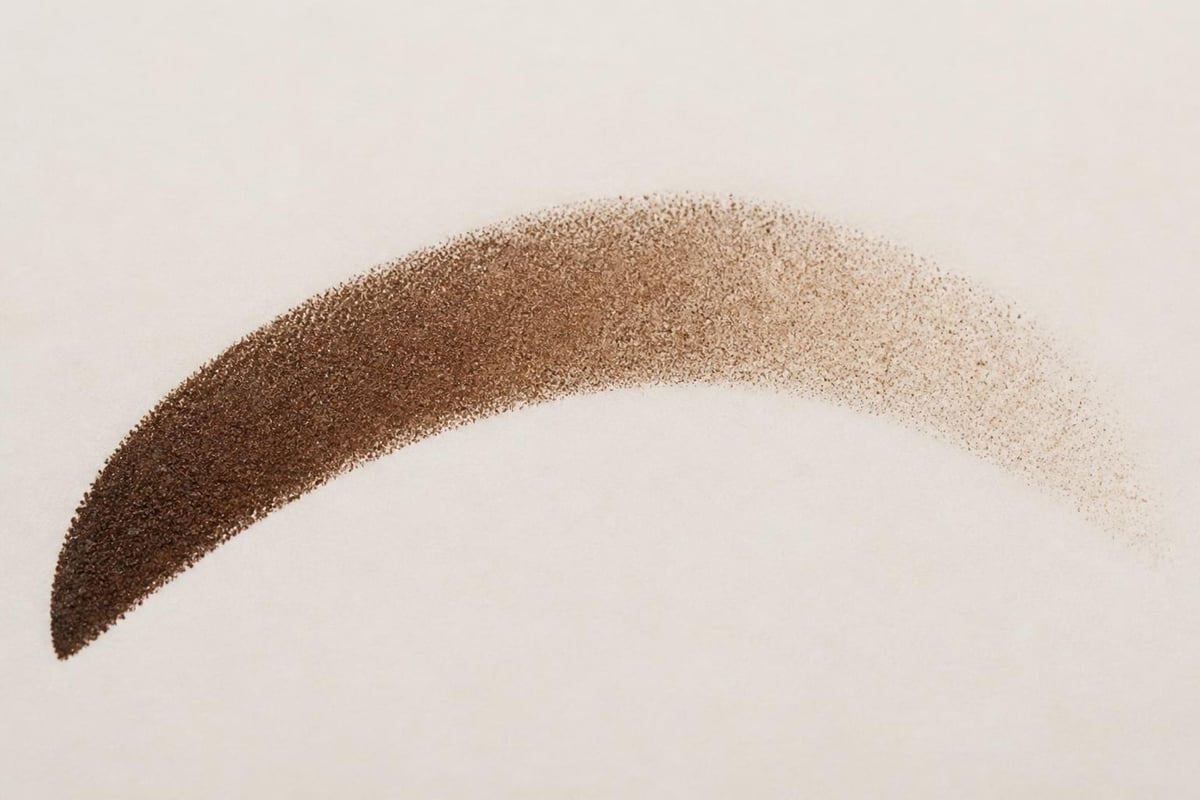
The powder brow technique uses a digital machine with a single needle or cartridge to deposit pigment into the skin's upper dermal layer. This creates thousands of tiny dots that blend together to form a gradient effect, darker at the tail and lighter at the bulb. The result is a soft, powdered appearance that lasts two to three years with proper maintenance.
Market demand for powder brows has increased significantly since 2024. Clients prefer this method because it suits all skin types, including oily and mature skin that may not hold microblading strokes effectively. The technique works particularly well for oily or mature skin where traditional hair-stroke methods might blur or fade prematurely.
Why Studios Are Adding Powder Brows
Professional studios are expanding their service menus to include powder brows for several compelling reasons:
- Higher profit margins: Powder brow sessions typically command $400-$800 per appointment, with touch-ups generating recurring revenue
- Broader client base: The technique appeals to clients who want definition without the commitment of daily makeup application
- Lower liability risk: Compared to microblading, powder brows create less trauma to the skin and have fewer healing complications
- Predictable results: Digital machines provide consistent depth control, reducing the risk of pigment migration or blowouts
Studios that position themselves as offering the best powder brow services in their market often see booking calendars fill three to six months in advance. This predictable revenue stream allows for better cash flow management and staffing decisions.
Equipment and Setup Requirements
Delivering the best powder brow results requires specific equipment investments and station configuration. Your setup directly impacts both the quality of your work and your ability to maintain sterile working conditions during health department inspections.
Essential Equipment Checklist
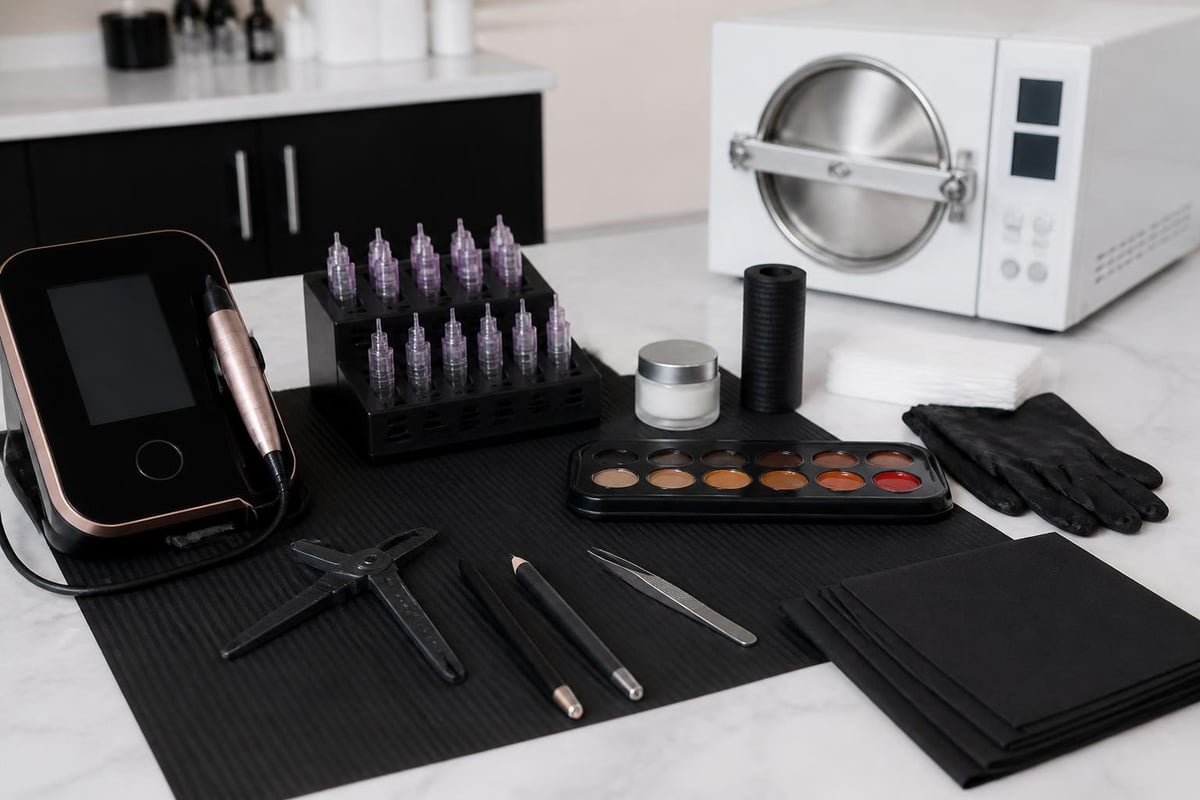
Your powder brow station needs these core components:
- Digital PMU machine: Rotary or pen-style machines with adjustable needle depth and speed settings
- Cartridge needles: Round liner cartridges in various configurations (1RL, 3RL, 5RL for different density effects)
- Pigment selection: High-quality, iron oxide-based pigments in various tones to match diverse skin undertones
- Mapping tools: Measuring calipers, brow mapping pencils, and stencils for symmetry
- Numbing agents: Topical anesthetics (lidocaine-based) for client comfort
- Barrier protection: Disposable bed covers, gloves, and equipment wraps
- Autoclave: Medical-grade sterilization equipment for reusable tools
- Sharps disposal: Biohazard containers compliant with OSHA regulations
| Equipment Category | Budget Option | Professional Grade | Premium Investment |
|---|---|---|---|
| Digital Machine | $200-$400 | $600-$1,200 | $1,500-$3,000 |
| Pigment Set | $150-$300 | $400-$600 | $800-$1,500 |
| Mapping Kit | $50-$100 | $150-$250 | $300-$500 |
| Total Initial Investment | $400-$800 | $1,150-$2,050 | $2,600-$5,000 |
The best powder brow artists invest in mid-tier to premium equipment because machine quality directly affects pigment implantation consistency. Cheaper machines often have unreliable needle depth control, leading to uneven saturation and client dissatisfaction.
Client Consultation and Documentation Protocols
Professional studios distinguish themselves through thorough consultation processes that set clear expectations and document client consent. This documentation becomes critical if disputes arise about healing outcomes or color results.
Pre-Procedure Consultation Components
Your consultation should cover these elements in detail:
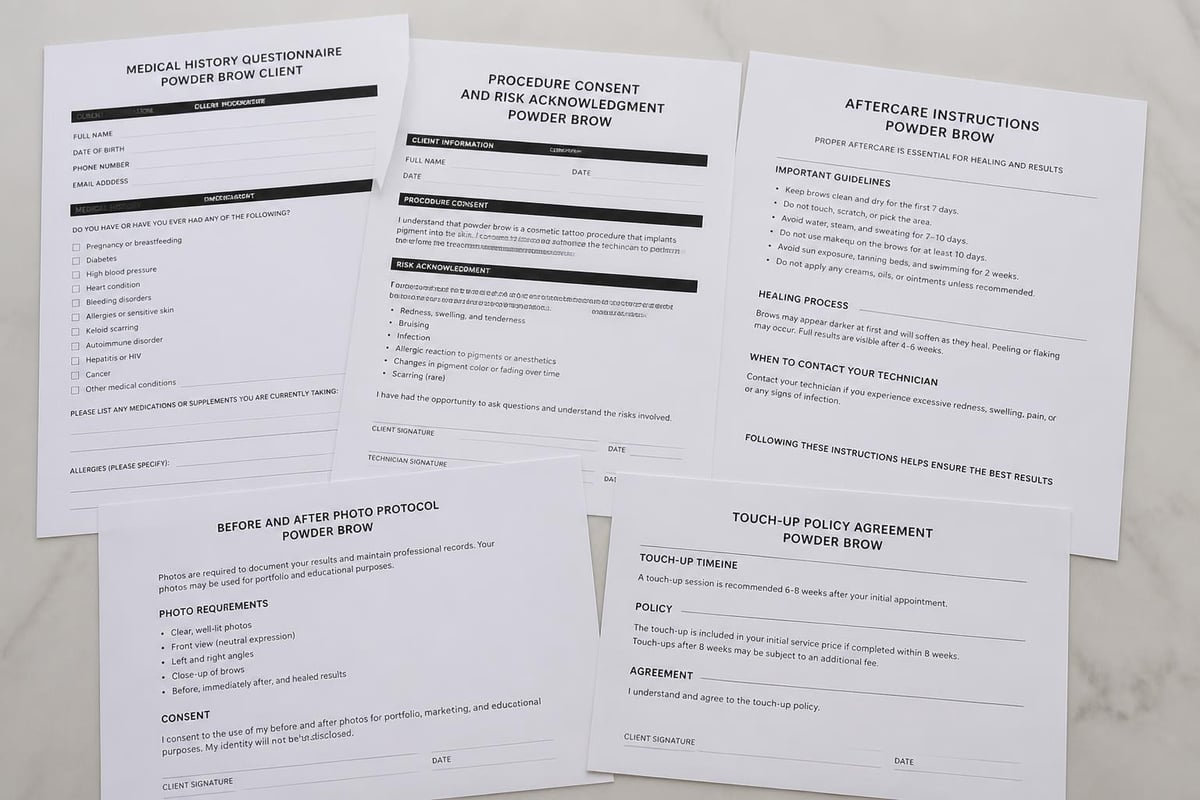
- Medical history review: Document conditions that affect healing (diabetes, autoimmune disorders, blood thinners, keloid scarring)
- Skin analysis: Assess skin type, previous PMU work, scarring, and pigmentation concerns
- Color selection: Use skin undertone analysis to select pigment shades that will heal naturally
- Shape design: Create brow mapping that complements facial structure and client preferences
- Healing expectations: Explain the two-week healing process, including scabbing, peeling, and color evolution
- Touch-up requirements: Clarify that initial sessions typically require a 6-8 week perfecting session
Many studios now use digital consent forms for permanent makeup that clients complete on their phones before the appointment. This eliminates paper forms that get lost or damaged and creates cloud-stored PDFs that are accessible during health inspections or legal disputes. Digital consent systems like InkWaiver allow clients to review health contraindications, view before-and-after galleries, and provide e-signatures from home, reducing administrative time on appointment day.
Legal Compliance Considerations
Studios offering the best powder brow services maintain meticulous compliance with local regulations:
United States: Most states require a body art license or cosmetology license with PMU certification. Blood-borne pathogen training is mandatory, and some jurisdictions require specific permanent makeup permits. Check your state's health department website for current requirements.
European Union: GDPR compliance is mandatory for client data storage. The EU's REACH regulation restricts certain pigment ingredients, requiring studios to use only approved formulations. Individual countries may have additional licensing requirements.
United Kingdom: Since 2022, the UK banned several pigment ingredients containing hazardous substances. Practitioners must register with local councils and complete approved training courses.
Technique Mastery and Artistic Execution
The best powder brow artists develop signature techniques that differentiate their work in competitive markets. Mastery requires understanding how pigment behaves in different skin types and how to adjust technique accordingly.
Pixelation and Shading Methods
Professional powder brow application uses specific pixelation patterns:
- Outline definition: Create the brow perimeter using slightly denser saturation to define the shape
- Gradient building: Work from tail to bulb, decreasing pressure and speed for lighter saturation at the front
- Layering technique: Build color gradually through multiple passes rather than attempting full saturation in one pass
- Feathering edges: Soften the top and bottom borders with lighter pixel density for a natural fade
Skin type significantly affects technique adjustments:
| Skin Type | Needle Configuration | Speed Setting | Passes Required | Healing Considerations |
|---|---|---|---|---|
| Normal | 3RL or 5RL | Medium (90-110 Hz) | 2-3 passes | Predictable retention |
| Oily | 3RL (tighter pattern) | Higher (110-130 Hz) | 3-4 passes | May require denser saturation |
| Dry/Mature | 5RL or 7RL | Lower (80-100 Hz) | 2 passes | Gentler approach prevents trauma |
| Combination | Varies by zone | Adjusted per area | 2-3 passes | Map skin variations first |
The best powder brow results come from understanding that oily skin often requires specific technique modifications to ensure pigment retention. Clients with sebaceous skin may need slightly deeper implantation and denser saturation to compensate for natural oil production that can push out pigment during healing.
Client Aftercare Protocols and Retention Optimization
Proper aftercare directly impacts pigment retention and client satisfaction. Studios that provide the best powder brow services create detailed aftercare instructions and follow-up protocols that maximize healing outcomes.
Immediate Post-Procedure Instructions
Provide clients with written and verbal aftercare guidance:
Days 1-3 (Inflammatory phase):
- Cleanse brows twice daily with distilled water and antibacterial soap using clean fingertips
- Pat dry with clean paper towel (never reusable towels that harbor bacteria)
- Apply thin layer of approved aftercare ointment (petroleum-free to prevent pigment drawing)
- Avoid water saturation during showers by using protective barrier
Days 4-10 (Scabbing and peeling phase):
- Continue gentle cleansing but reduce ointment application to once daily
- Do not pick, scratch, or peel flaking skin as this removes pigment prematurely
- Expect brows to appear darker than final healed result
- Avoid makeup application over healing brows
Days 11-14 (Initial healing completion):
- Brows will appear 30-50% lighter than initial application as outer skin layer regenerates
- Resume normal facial cleansing and makeup application
- Schedule 6-8 week perfecting session to assess pigment retention
Detailed aftercare instructions should cover activities to avoid during healing, including swimming, saunas, excessive sweating, sun exposure, and exfoliating products. Clients who follow strict aftercare protocols show significantly better pigment retention at the perfecting session.
Activities and Products to Avoid
Create a prohibited items list for the two-week healing period:
- Retinol and glycolic acid products: Accelerate skin cell turnover and fade pigment prematurely
- Swimming pools and hot tubs: Chlorine and bacteria exposure increase infection risk
- Direct sun exposure: UV damage affects pigment color and increases hyperpigmentation risk
- Heavy exercise: Excessive sweating can interfere with healing and draw out pigment
- Cosmetic procedures: Botox, chemical peels, and laser treatments should wait 4-6 weeks post-procedure
Additional aftercare guidelines emphasize the importance of sleeping on clean pillowcases and avoiding face-down sleeping positions that create friction against healing brows.
Touch-Up Sessions and Long-Term Maintenance
The best powder brow services include a comprehensive touch-up strategy that ensures client satisfaction and generates recurring revenue. Initial sessions create the foundation, while perfecting sessions optimize color and shape based on individual healing patterns.
Perfecting Session Protocol (6-8 Weeks)
Schedule all clients for a perfecting appointment that addresses:
- Pigment retention assessment: Identify areas where pigment didn't retain well (often due to oily zones or thin skin)
- Color adjustment: Modify shade if initial pigment oxidized too warm or cool during healing
- Shape refinement: Add density where needed or adjust borders for improved symmetry
- Client feedback integration: Address any concerns about thickness, darkness, or overall appearance
Most studios include the perfecting session in the initial service price ($500-$800 total) or charge separately ($150-$250). The bundled approach reduces client objection and ensures they return for the critical second session.
Annual Maintenance and Color Boosting
Educate clients about long-term maintenance requirements:
- Year 1: Brows remain vibrant with minimal fading
- Year 2: Gradual lightening becomes noticeable, color boost recommended
- Year 3+: Significant fading occurs, full refresh session needed
Maintenance sessions typically take 60-90 minutes and cost $250-$400. These appointments generate predictable recurring revenue and keep clients engaged with your studio. Studios that implement automated booking reminders see 60-70% of clients returning for maintenance compared to 30-40% without reminder systems.
Risk Management and Liability Protection
Operating a powder brow service exposes your studio to specific liability risks that require proactive management. The best powder brow studios implement multilayered protection strategies.
Common Complications and Prevention
Document your protocols for managing these situations:
Allergic reactions: Conduct patch tests on clients with sensitive skin histories. Keep antihistamines on-site and maintain relationships with nearby urgent care facilities.
Infection: Enforce strict cross-contamination protocols. Single-use items must never be reused. Autoclave reusable tools between every client. Maintain detailed sterilization logs for health inspections.
Unsatisfactory results: Take comprehensive before photos from multiple angles with consistent lighting. Document the agreed-upon shape and color during consultation. This photographic evidence protects you if clients claim results don't match expectations.
Pigment migration: Use proper needle depth (upper dermal layer only) and appropriate pressure. Over-implantation causes pigment to spread beneath skin, creating blurred edges.
Documentation Best Practices
Protect your business through thorough record-keeping:
- Photo documentation: Before photos, immediate post-procedure, two-week healing check, perfecting session results
- Signed consent forms: Medical history, procedure risks, aftercare instructions, touch-up policy
- Product tracking: Pigment batch numbers, needle lot numbers, numbing agent expiration dates
- Incident reports: Any adverse reactions, client complaints, or unusual healing patterns
Health departments may request these records during inspections. Insurance claims require documentation proving you followed proper protocols. Client disputes often hinge on whether you can demonstrate informed consent and appropriate procedure execution.
Marketing and Positioning Strategies
Studios offering the best powder brow services differentiate themselves through strategic positioning and targeted marketing that attracts ideal clients willing to pay premium prices.
Portfolio Development
Build a compelling portfolio that demonstrates:
- Diverse skin tones: Show your ability to match pigment to various undertones
- Shape variety: Display different brow styles (straight, arched, soft-angled) to prove versatility
- Healing progression: Before, immediately after, two weeks healed, and final results
- Correction work: Demonstrate ability to fix poor previous PMU work
Post consistently to Instagram and Facebook with proper lighting that accurately represents healed colors. Misleading photos that show fresh pigment as final results damage trust and create disappointed clients.
Pricing Psychology
Position your services at premium price points that reflect expertise:
Budget tier ($300-$450): New practitioners building portfolios, often offering discounted rates for testimonials and photos
Professional tier ($500-$700): Established artists with 2+ years experience and strong portfolios
Master tier ($800-$1,200): Industry trainers, competition winners, and artists with extensive specialized experience
The best powder brow artists rarely compete on price. Instead, they emphasize specialized training, premium pigment brands, superior healing outcomes, and comprehensive aftercare support that justifies higher investment.
Training and Certification Requirements
Legitimate powder brow training requires hands-on practice under experienced supervision. Avoid online-only certifications that provide theory without practical application.
Selecting Training Programs
Evaluate programs based on these criteria:
- Instructor credentials: Look for trainers with 5+ years active practice and verifiable client portfolios
- Live model practice: Programs should include supervised work on at least 3-5 live models
- Blood-borne pathogen certification: OSHA-compliant training must be included
- Business systems: Quality programs teach consent documentation, pricing strategies, and client communication
- Ongoing support: Access to instructor for post-training questions during your first year of practice
Training costs range from $2,000-$5,000 for comprehensive programs. Budget options under $1,500 often lack adequate live practice hours or experienced instruction.
Continuing Education
The best powder brow artists invest in ongoing skill development:
- Advanced color theory: Understanding pigment oxidation and undertone matching
- Correction techniques: Fixing previous PMU work requires specialized knowledge
- New machine technology: Digital devices continuously evolve with improved precision
- Regulatory updates: Stay current on pigment ingredient restrictions and licensing changes
Attend at least one industry conference annually to network with suppliers, learn new techniques, and maintain awareness of market trends. These events often provide continuing education credits required for license renewal in many jurisdictions.
Health and Safety Compliance Standards
Studios must maintain rigorous health standards that meet or exceed local regulations. Health department violations can result in fines, license suspension, or permanent closure.
Cross-Contamination Prevention
Implement these protocols at every station:
Single-use items: Needles, cartridges, pigment cups, applicators, and gloves must be disposed after each client
Surface protection: Cover all surfaces with disposable barriers changed between clients
Hand hygiene: Wash hands thoroughly before gloving and after glove removal
Equipment sterilization: Autoclave reusable tools (tweezers, calipers) between clients and maintain spore test documentation
Waste disposal: Separate regular trash from biohazard waste containing blood or bodily fluids
Inspection Preparation
Maintain inspection-ready status continuously rather than scrambling when notices arrive:
- Keep Material Safety Data Sheets (MSDS) for all pigments and chemicals readily accessible
- Maintain autoclave spore test results (monthly or as required by jurisdiction)
- Document employee blood-borne pathogen training with certificates
- Store client consent forms in organized, confidential filing system
- Post all required licenses and permits visibly in client areas
Inspectors evaluate both physical conditions and documentation. Missing paperwork triggers violations as readily as dirty equipment.
Building Client Relationships and Retention
The best powder brow services create exceptional client experiences that generate referrals and repeat business. Client lifetime value extends far beyond the initial appointment.
Pre-Appointment Experience
Streamline the booking process to reduce friction:
- Offer online booking with automated confirmation and reminder emails
- Send pre-appointment instructions three days before the session (avoid alcohol, caffeine, blood thinners)
- Provide parking information and arrival instructions to reduce appointment-day stress
- Request digital consent form completion before arrival to maximize consultation time
Clients appreciate studios that respect their time and provide clear communication.
Post-Appointment Follow-Up
Implement systematic follow-up that demonstrates care:
Day 3: Send check-in message asking about healing progression and addressing concerns
Week 2: Request healing photos and provide encouragement during the awkward peeling phase
Week 6: Send perfecting session scheduling reminder with booking link
Month 18: Reach out with color boost promotion and portfolio update request
These touchpoints keep your studio top-of-mind and intercept clients before they consider competitors for maintenance work.
Delivering exceptional powder brow services requires combining artistic skill with business systems that ensure compliance, client satisfaction, and operational efficiency. From equipment selection and technique mastery to comprehensive documentation and strategic marketing, every element contributes to positioning your studio as the premier destination for permanent makeup services. Implementing digital consent forms from InkWaiver streamlines your client intake process, eliminates lost paperwork, and ensures you maintain legally compliant documentation that protects your business during health inspections and potential disputes-all while clients complete forms conveniently on their phones before arriving at your studio.