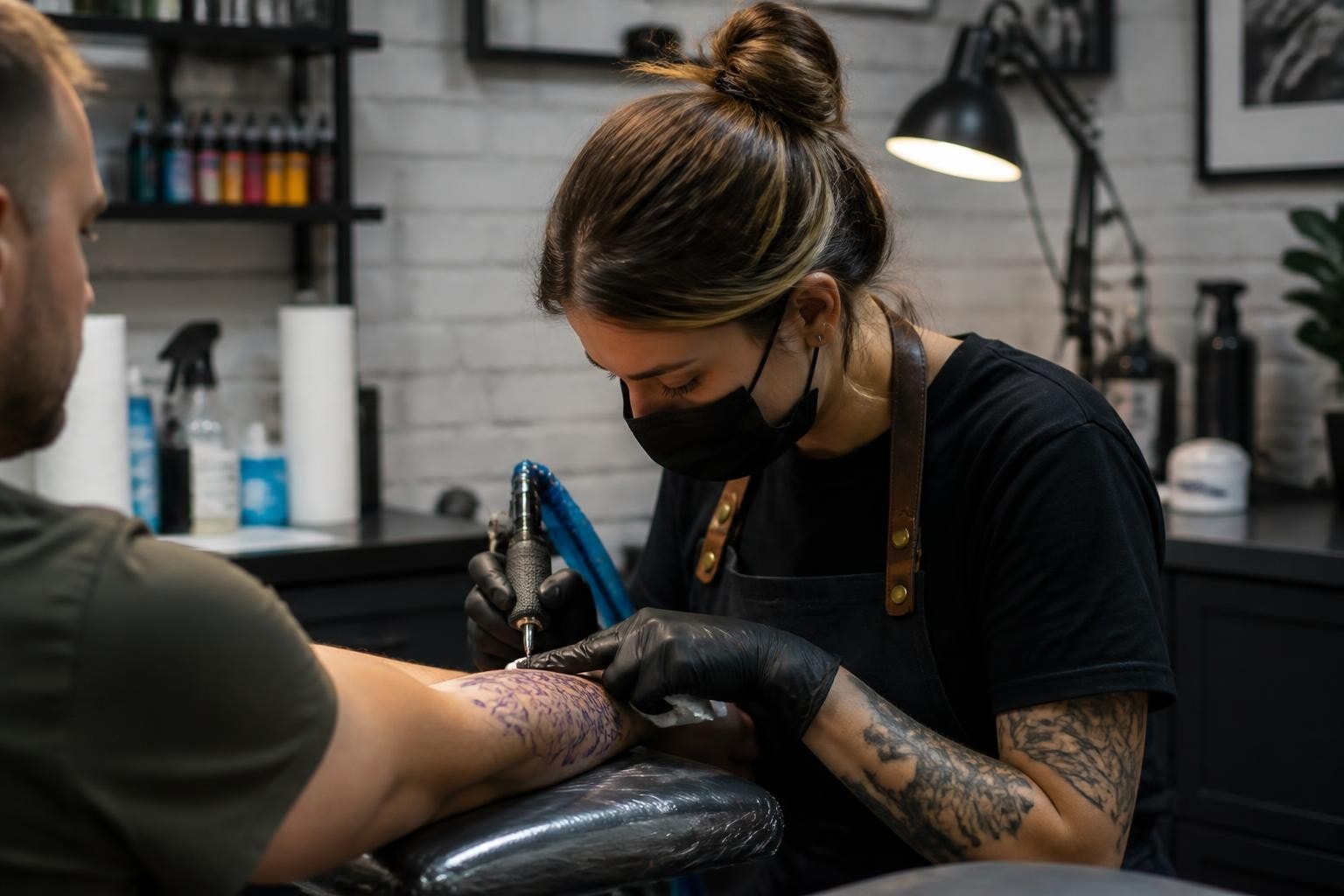
Professional tattoo artists face significant liability and regulatory scrutiny when it comes to infection control. Every artist who handles needles, works with blood, or processes contaminated materials must complete proper bloodborne pathogens training. This certification isn't just a bureaucratic formality. It's the foundation of your exposure control plan, your defense against health department citations, and your protection in liability claims. Whether you run a multi-artist studio or work solo, understanding the requirements and options for tattoo artist bloodborne pathogens training will keep your business compliant and your license secure.
OSHA Bloodborne Pathogens Standard Requirements
The Occupational Safety and Health Administration (OSHA) Bloodborne Pathogens Standard establishes mandatory requirements for any business where employees may encounter blood or other potentially infectious materials. Tattoo shops fall squarely within this regulation, regardless of size or location.
Your legal obligations include:
- Initial training for all artists and apprentices before they begin work involving exposure
- Annual refresher training for all staff who remain in exposure roles
- Documented training records maintained for three years minimum
- Written exposure control plan specific to your shop operations
- Post-exposure protocols and medical evaluation procedures
The standard applies to every artist in your studio, including apprentices, guest artists during their spot, and any support staff who handle contaminated materials or clean stations. You cannot legally operate without meeting these requirements, and health department inspections will verify both your training documentation and your exposure control plan.
Documentation and Record Keeping
Maintaining proper training records protects you during inspections and liability claims. Each artist's file must include certification dates, course provider information, and expiration dates. Digital record systems have replaced paper files in most professional studios, reducing the risk of lost documentation during disputes or audits.
When managing tattoo consent forms and client documentation, the same digital approach simplifies compliance and ensures nothing gets misplaced when you need it most.

Training Content and Curriculum Standards
Effective tattoo artist bloodborne pathogens training covers specific topics mandated by OSHA regulations. The curriculum must address the science of pathogen transmission, prevention strategies, and your response protocols when exposure incidents occur.
Core Training Modules
| Module | Key Topics | Application in Tattoo Shops |
|---|---|---|
| Pathogen Basics | Hepatitis B, Hepatitis C, HIV transmission routes | Understanding client disclosure requirements and artist risk levels |
| Exposure Control | Engineering controls, work practice controls, PPE | Station setup, sharps disposal, barrier film protocols |
| Incident Response | Exposure reporting, post-exposure prophylaxis, medical evaluation | First aid procedures, incident documentation, worker's compensation |
| Decontamination | Surface cleaning, autoclave operation, waste segregation | End-of-day cleanup protocols, contaminated material handling |
The CDC provides detailed guidelines on bloodborne pathogen transmission and prevention that inform course content across all approved providers. Your training must cover these fundamentals while addressing tattoo-specific scenarios like needle stick injuries, blood spatter during sessions, and cross-contamination between stations.
Personal Protective Equipment Requirements
Every artist must understand proper PPE selection, use, and disposal. Gloves represent the baseline protection, but many situations require additional barriers. Face shields become necessary during procedures that may generate blood spray. Protective eyewear prevents fluid contact during intense sessions or when working near the face.
PPE protocols for tattoo artists:
- Single-use nitrile gloves for all client contact
- Glove changes between setup, tattooing, and cleanup phases
- Eye protection or face shields for procedures above the neck
- Disposable aprons during large-scale sessions
- Proper removal techniques to avoid self-contamination
Training must demonstrate correct donning and doffing procedures. Many exposure incidents occur during PPE removal when artists contaminate their skin or clothing with used gloves.
Certification Options and Course Formats
Multiple providers offer OSHA-compliant tattoo artist bloodborne pathogens training, each with different formats, pricing, and recognition levels. Selecting the right course requires understanding your state licensing requirements, your available time, and your learning preferences.
Online Training Programs
The American Red Cross offers specialized online courses designed specifically for tattoo artists, providing certification that meets OSHA standards and satisfies most state licensing boards. Online formats allow you to complete training during shop downtime without sacrificing booking revenue.
Advantages of online certification:
- Self-paced completion around your booking schedule
- Lower cost than in-person seminars ($30-$60 vs $100-$200)
- Immediate certificate delivery via email
- Easy recertification without travel requirements
- Video demonstrations you can replay until concepts are clear
Most online programs include video modules, interactive quizzes, and downloadable resources. Tattooing 101 provides guidance on selecting reputable online courses that satisfy your jurisdiction's specific requirements.
In-Person Training Sessions
Some states and local health departments prefer or require in-person training, particularly for initial certification. These sessions typically run 4-6 hours and include hands-on demonstrations of proper technique.
In-person courses excel at demonstrating physical skills like proper sharps disposal, autoclave operation, and spill cleanup procedures. The instructor can correct your technique immediately, ensuring you develop proper muscle memory for critical safety procedures.
State-Specific Requirements and Licensing
Bloodborne pathogens certification requirements vary significantly across jurisdictions. Some states specify approved course providers, while others accept any OSHA-compliant training. Understanding your local regulations prevents costly mistakes and license delays.
Jurisdiction Variations
| Region | Training Requirements | Renewal Period | Approved Providers |
|---|---|---|---|
| California | State-approved courses only | Annual | Listed on CDPH website |
| New York | OSHA-compliant training | Annual | Any OSHA-compliant provider |
| Texas | Department-approved curriculum | Annual | DSHS-approved list |
| Florida | Board-recognized certification | Annual | Any accredited provider |
Contact your state health department or body art licensing board before enrolling in any course. Some jurisdictions require specific course numbers or provider registration. Taking non-approved training wastes time and money when your license application gets rejected.
Additional Local Certifications
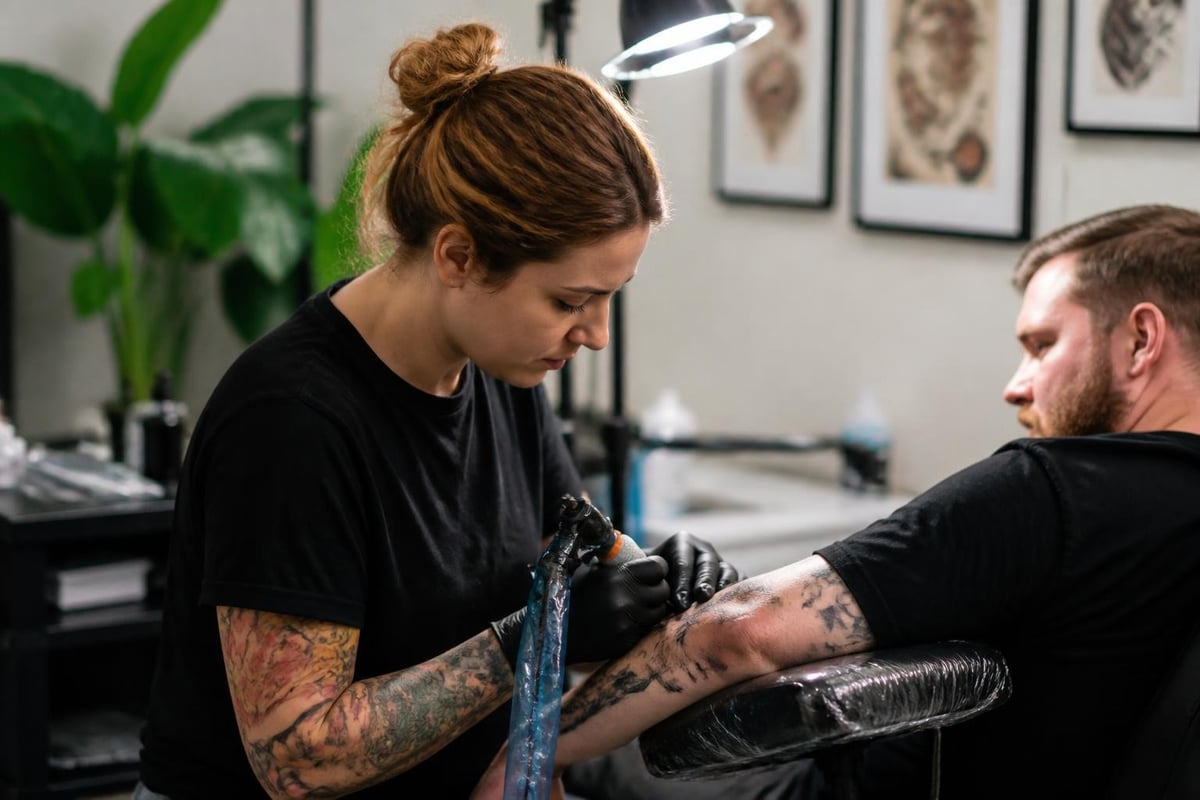
Beyond state requirements, many counties and municipalities impose additional training mandates. Major cities often require separate certifications for infection control, sterilization techniques, or biohazard waste handling. Check with your local health department during your initial shop licensing process to identify all required certifications.
Some jurisdictions bundle bloodborne pathogens training with general body art licensing courses. These comprehensive programs cover client consultation, informed consent procedures, and age verification protocols alongside infection control.
Implementing Training in Your Shop Operations
Completing certification is only the first step. Effective implementation requires integrating training principles into daily operations, station setup, and shop culture. Your exposure control plan must reflect actual practices, not theoretical ideals.
Developing Your Exposure Control Plan
Every tattoo shop must maintain a written exposure control plan tailored to its specific operations. Generic templates fail during health inspections because they don't address your actual equipment, layout, or procedures.
Essential plan components:
- Job classifications listing exposure risk for each position
- Station-specific protocols for setup and breakdown
- Autoclave operation schedules and spore test documentation
- Sharps disposal procedures and container placement
- Biohazard waste segregation and pickup arrangements
- Post-exposure incident reporting chain
- Hepatitis B vaccination policy for all artists
Review and update your plan annually when artists complete their refresher training. Document all changes with dates and signatures to demonstrate continuous improvement during inspections.
Training New Artists and Apprentices
Apprentices require thorough orientation before they handle any contaminated materials or observe live sessions. Walk them through your specific protocols, show them your autoclave operation, and demonstrate proper sharps disposal at your stations.
Many shops pair apprentices with experienced artists during their first weeks to observe proper technique. This mentorship approach reinforces training concepts through real-world application and catches bad habits before they become ingrained.
Annual Recertification and Continuing Education
OSHA requires annual refresher training for all employees with occupational exposure to bloodborne pathogens. This isn't optional, and letting certifications lapse exposes you to citations, fines, and increased liability during any incident.
Scheduling Shop-Wide Recertification
Coordinating recertification for multiple artists requires planning. Some shops schedule training during typically slow months, while others stagger certifications to avoid having all artists complete training simultaneously.
Recertification strategies for multi-artist studios:
- Block out one slow day per year for group training sessions
- Use online courses allowing artists to complete training individually
- Schedule renewals during artist birth months for even distribution
- Include recertification deadlines in employment contracts
- Set calendar reminders 60 days before expiration dates
Track expiration dates in a central system accessible during inspections. Health inspectors will ask for current certifications, and scrambling to locate paperwork creates unnecessary stress and suspicion.
Staying Current on Protocol Updates
Infection control best practices evolve as new research emerges and equipment improves. Your annual training should incorporate the latest CDC recommendations, updated OSHA guidance, and emerging pathogen threats.
Compliance Training Online provides courses updated regularly to reflect current standards, ensuring your team learns the most recent protocols rather than outdated information.

Cost Analysis and Budget Planning
Understanding the full cost of compliance helps you budget appropriately and avoid surprise expenses that impact profitability. Bloodborne pathogens training represents a small but necessary ongoing expense for professional operations.
Initial Certification Costs
First-time certification typically costs more than renewals due to longer course duration and more comprehensive content. Budget $50-$150 per artist for initial online training, or $150-$300 for in-person sessions including materials.
Add equipment costs for implementing training principles. New shops need to budget for adequate PPE supplies, proper sharps containers at every station, autoclave equipment, and biohazard waste services.
Annual Recertification Expenses
Refresher courses run $30-$75 per artist for online formats. Multiply by your total staff count to determine annual training budgets. A three-artist shop should budget approximately $100-$225 annually for recertification alone.
Additional compliance costs to budget:
- Hepatitis B vaccinations for new artists ($150-$200 per series)
- Annual autoclave spore testing ($25-$50 per test)
- Biohazard waste disposal services ($50-$200 monthly)
- PPE supply replenishment ($100-$300 monthly)
- Exposure control plan updates ($0 if managed internally)
These expenses represent the baseline cost of legal operation. Skipping training or cutting corners on safety equipment creates far greater financial exposure through potential fines, lawsuits, or license revocation.
Selecting the Right Training Provider
Not all bloodborne pathogens courses meet your needs equally well. Provider reputation, course recognition, and customer support matter when your license depends on proper certification.
Evaluation Criteria
Research providers thoroughly before enrolling. Verify their courses satisfy your state's specific requirements and check for complaints with your licensing board. Read reviews from other tattoo artists rather than general healthcare workers, as body art applications differ from clinical settings.
Key selection factors:
- OSHA compliance certification explicitly stated
- State licensing board recognition or approval
- Course format matching your learning style and schedule
- Certificate delivery timeline fitting license deadlines
- Customer support availability for technical issues
- Course content specifically addressing tattoo scenarios
- Pricing transparency without hidden fees
ICE Training Institute and similar specialized providers focus on body art professionals, ensuring course content addresses your actual work environment rather than generic healthcare settings.
Recognizing Quality Course Content
Quality training goes beyond checking regulatory boxes. Effective courses use realistic scenarios, demonstrate proper technique through clear video, and provide downloadable resources you'll reference during daily operations.
Avoid courses that rely solely on text-based learning or generic stock photos. Video demonstrations of proper glove changes, contaminated surface cleaning, and sharps disposal prove far more valuable when training new staff or refreshing your own technique.
Managing Exposure Incidents
Despite proper precautions, exposure incidents occasionally occur. Your response during the first minutes after a needle stick or blood contact directly impacts health outcomes and legal liability.
Immediate Response Protocols
Every artist must know the exact steps to take following potential exposure. Hesitation or incorrect first aid increases infection risk and complicates medical evaluation.
Post-exposure first aid sequence:
- Stop work immediately and secure the contaminated sharp
- Wash the affected area with soap and water for 15 minutes
- Apply antiseptic and cover with clean bandage
- Report the incident to shop management immediately
- Document circumstances while details remain fresh
- Seek medical evaluation within 2 hours
- Collect source individual information if possible for testing
Never squeeze or manipulate a puncture wound attempting to "flush out" pathogens. This damages tissue and may increase infection risk rather than reducing it.
Documentation and Follow-Up
Detailed incident documentation protects everyone involved. Record the date, time, procedure being performed, how the exposure occurred, PPE in use, and immediate actions taken. This information guides medical evaluation and satisfies OSHA reporting requirements.
Your exposure control plan must specify who handles incident reporting, which medical facility provides post-exposure evaluation, and how follow-up testing gets scheduled. Establishing these procedures during calm planning prevents confusion during stressful incidents.
Integration with Shop Management Systems
Modern tattoo shops increasingly digitize operations to improve efficiency and reduce compliance risks. Training documentation integrates naturally with other digital systems managing consent forms, client records, and appointment scheduling.
Maintaining artist certifications alongside other compliance documents creates a comprehensive record accessible during inspections or legal proceedings. When health inspectors request training documentation, you can produce current certificates immediately rather than searching through filing cabinets.
Digital consent form platforms that handle tattoo waiver forms can often store artist certifications in the same system, centralizing all compliance documentation in one secure location accessible from any device.
Common Compliance Mistakes to Avoid
Even experienced shop owners make preventable errors that create unnecessary risk. Understanding common pitfalls helps you maintain consistent compliance without gaps that invite citations or liability.
Training Documentation Gaps
Relying on verbal confirmation that artists "completed training somewhere" fails immediately during inspections. Every current artist needs verifiable certification from a recognized provider, with expiration dates clearly documented.
Guest artists present particular challenges. Some shops mistakenly assume visiting artists' certifications remain with their home shops. You must verify and document current certification for every artist working in your space, regardless of employment status.
Inadequate Incident Response
Many shops lack clear incident response protocols, leaving artists uncertain about proper procedures after exposure events. This hesitation delays medical evaluation and compromises health outcomes.
Schedule annual drills walking through exposure response steps. Practice documenting incidents, contacting medical providers, and notifying appropriate parties. Muscle memory developed through repetition ensures proper response during actual emergencies.
Additional common mistakes:
- Failing to update exposure control plans after operational changes
- Using non-approved training providers to save money
- Allowing certifications to lapse during slow business periods
- Inadequate sharps container placement requiring excessive reach
- Mixing recertification schedules creating tracking complexity
Review your entire infection control program quarterly rather than only during annual training cycles. Small adjustments made consistently prevent major compliance failures.
Proper bloodborne pathogens training protects your artists, your clients, and your business from preventable risks while satisfying regulatory requirements across all jurisdictions. Investing in quality certification, maintaining current documentation, and implementing learned protocols into daily operations creates the foundation for sustainable, professional tattooing operations. InkWaiver streamlines the compliance documentation side of your business with digital consent forms that clients complete on their phones, ensuring you maintain professional records that complement your infection control protocols and satisfy health department requirements without the hassle of paper forms that get lost or damaged.